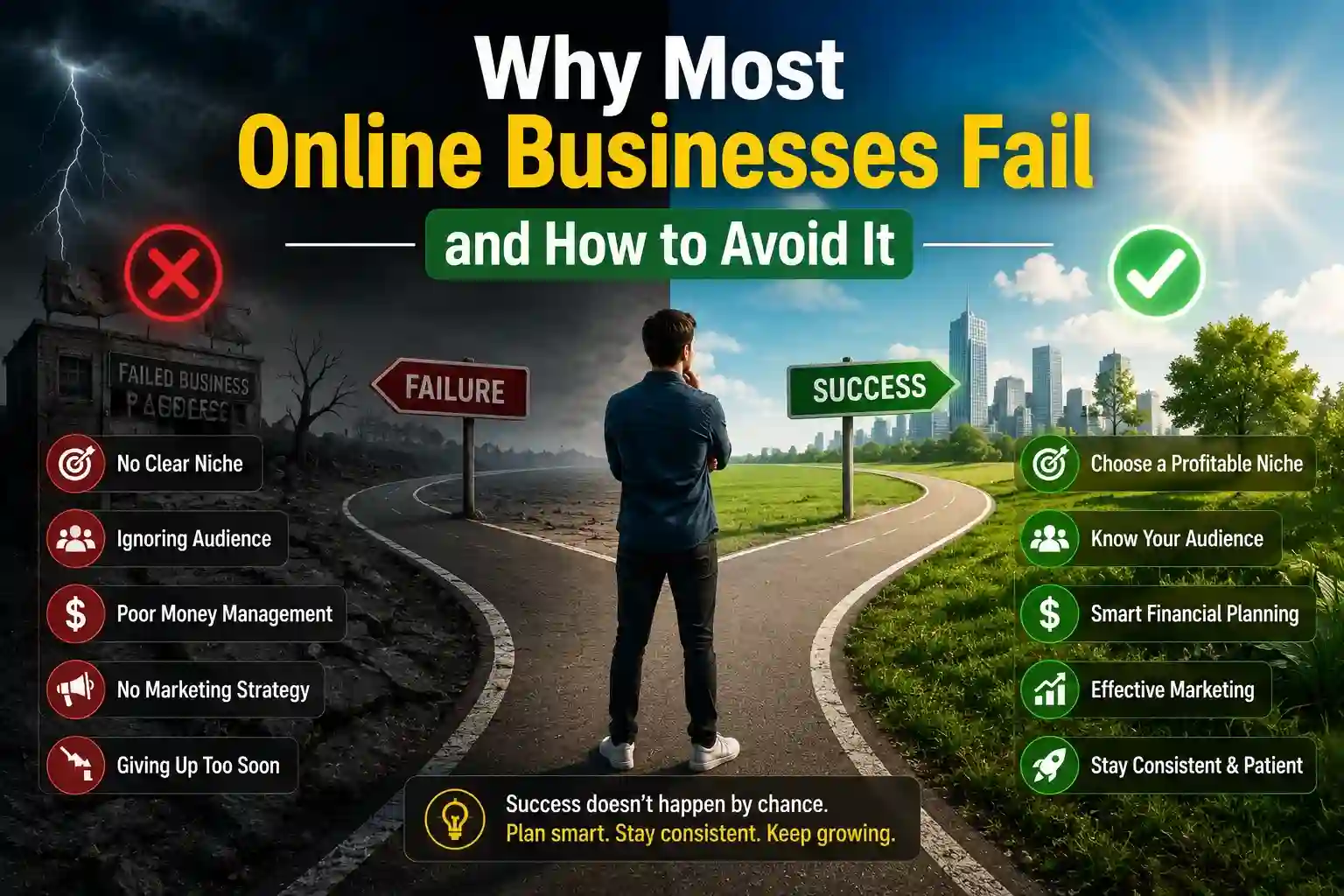


Most passive income advice recycled online describes the destination without explaining the journey. The reality is straightforward — passive income from websites requires real upfront work, a clear monetization model, and patience during the growth phase. What it doesn’t require is constant daily effort once the foundation is built.
The website models below generate recurring revenue with decreasing time investment as they mature. Each one works in 2026 — not because they’re new, but because the underlying demand driving them continues to grow.
Content Websites That Generate Revenue Through Multiple Streams
Niche content websites remain one of the most reliable passive income vehicles available to individual builders. The model is straightforward — publish genuinely helpful content targeting specific search queries, attract consistent organic traffic, and monetize that traffic through several complementary channels simultaneously.
- Affiliate review sites target buyer-intent keywords where visitors are actively comparing products before purchasing. Commission income arrives without inventory, shipping, or customer service involvement
- Display advertising sites monetize general traffic through ad networks that pay per impression or click. Revenue scales directly with traffic volume, making consistent publishing the primary growth lever
- Comparison and directory sites organize information within a specific industry — insurance, software, local services — and earn referral fees or lead generation income from featured listings
- How-to and tutorial sites attract consistent search traffic around evergreen topics. Once ranked, these pages generate visits and ad or affiliate revenue for years without content updates
- Resource library sites compile tools, templates, and references for a professional audience. Premium access tiers or affiliate links to recommended products monetize the assembled value
- Problem-solution sites address a single recurring pain point in depth — a specific medical symptom, a software error, a legal question — and monetize through targeted affiliate products or lead generation
The income ceiling on content sites is determined by niche selection and content quality — not the number of hours worked weekly after the initial build.
Digital Product Websites With Recurring and Passive Revenue
Selling digital products through a dedicated website eliminates the platform dependency that comes with marketplace selling while keeping fulfillment costs at zero. Once built, each product generates revenue indefinitely from a single creation effort.
- Template shops — Resume templates, business proposal frameworks, social media design packs, and spreadsheet systems sell repeatedly to new buyers without restocking or shipping
- Online course websites — A self-hosted course covering a practical skill enrolls new students continuously. Evergreen content means the course sells as effectively in month eighteen as it did at launch
- Stock asset sites — Photography, vector graphics, video clips, and audio tracks licensed through a personal storefront generate royalties each time a buyer downloads and uses the asset
- Plugin and software tools — Browser extensions, WordPress plugins, and lightweight SaaS tools built around a specific workflow problem generate subscription or one-time purchase revenue passively
- Ebook and guide stores — Written guides on specialized topics — tax strategies for freelancers, training plans for specific sports, technical documentation for niche software — sell without ongoing creator involvement
- Printable product sites — Planners, worksheets, wall art, and activity sheets for children or professionals sell through automated delivery with zero physical fulfillment
The profitability advantage of digital products is structural — each additional sale adds revenue without adding cost, which means margins improve as volume grows.
Community and Subscription Websites That Build Compounding Income
Subscription-based websites generate something content and product sites often don’t — predictable, recurring monthly revenue that compounds as membership grows rather than fluctuating with traffic or seasonal buying patterns.
Paid newsletter websites serving a professional niche — investors, marketers, developers, educators — charge monthly access fees for curated insight that subscribers can’t efficiently assemble themselves. Once established, churn is low because switching costs are high for genuinely valuable content.
Membership communities built around a shared goal — learning a skill, navigating a career transition, growing a specific type of business — combine community value with gated content. Members pay for both the knowledge and the network access simultaneously.
Job boards and talent marketplaces for specific industries monetize through employer listing fees, featured placement upgrades, or candidate subscription tiers. Traffic generated through SEO makes the revenue nearly fully passive once the site reaches category visibility.
Online learning libraries offering unlimited access to a growing course catalog attract subscribers who value depth over individual course purchases — and retain them as long as new content is added periodically.
Passive Income Websites Reward Patience More Than Speed
Every model above requires a period of active building before passive income begins. Niche sites need content volume and domain authority. Digital product stores need traffic and trust. Membership sites need founding members before network value kicks in.
The founders who succeed treat year one as infrastructure — building systems, content, and audience that generate compounding returns in year two and beyond. Passive income isn’t immediate. But for those willing to build correctly, it becomes genuinely self-sustaining.
Frequently Asked Questions
Q: How long does it take for a passive income website to start generating revenue?
Most niche content and affiliate sites begin earning within three to six months of consistent publishing. Digital product sites can generate revenue faster if the builder already has an audience or runs targeted paid traffic.
Q: Which passive income website model requires the least technical knowledge to start?
Affiliate content sites and digital product stores using no-code platforms have the lowest technical barriers. Basic website setup, content creation, and product delivery can all be managed without developer skills.
Q: How much does it cost to build a passive income website in 2026?
Domain registration and hosting cost between $50 and $150 annually. Most passive income websites launch for under $300 total, with ongoing costs remaining minimal until revenue justifies reinvestment in tools or outsourcing.
Q: Can a passive income website replace a full-time salary?
Yes — many website owners reach full-time income equivalents within two to three years of consistent effort. The timeline depends heavily on niche selection, content quality, and monetization strategy rather than hours worked.
Q: Is it too late to build a niche content website in 2026?
No. While competition has increased in broad categories, thousands of specific niches remain underserved by quality content. Focused, expert-level coverage of a narrow topic consistently outperforms generic broad-category sites in search rankings.