
AI search engines and generative answer engines are fundamentally changing how consumers discover nearby businesses. Traditional keyword matching has shifted toward conversational intent, meaning businesses must adapt their local visibility strategies to remain discoverable in AI-generated summaries and local packs.
Understanding how artificial intelligence processes local data ensures your business remains the top recommendation when users ask complex, conversational questions.
How AI Search Disrupts Traditional Local Discovery
AI search models do not just rank web pages; they synthesize information from across the web to provide direct, actionable answers. When a user searches for a service, AI evaluates context, intent, and sentiment rather than just proximity and exact keyword matches.
-
Shift to Conversational Queries: Users now search using full sentences, such as “Where can I find a quiet coffee shop with vegan options and fast Wi-Fi near me?”
-
Zero-Click Dominance: AI Overviews provide complete answers directly on the search results page, reducing the necessity for users to click through to websites.
-
Synthesized Recommendations: AI aggregates data from third-party directories, social media mentions, and user reviews to build a trust profile for your business.
-
Hyper-Contextual Mapping: Location data combines with real-time factors like operating hours, current traffic, and weather to determine relevance.
Critical Optimization Strategies for AI-Driven Local SEO
To secure a spot in AI search summaries, businesses must feed these advanced models structured, easily digestible, and authoritative data. AI relies on clear patterns to verify that your business is a safe and accurate recommendation for the end user.
-
Prioritize Entities Over Keywords: Focus on establishing your business as a recognized entity. Define your exact service category, specific offerings, and localized landmarks within your content.
-
Optimize Digital Business Profiles: Keep your Google Business Profile, Apple Business Connect, and Bing Places listings meticulously updated. Ensure your Name, Address, and Phone number (NAP) data is completely identical across every platform.
-
Implement Local Schema Markup: Use structured data code to explicitly tell AI bots your precise coordinates, menu items, price ranges, and customer rating aggregates.
-
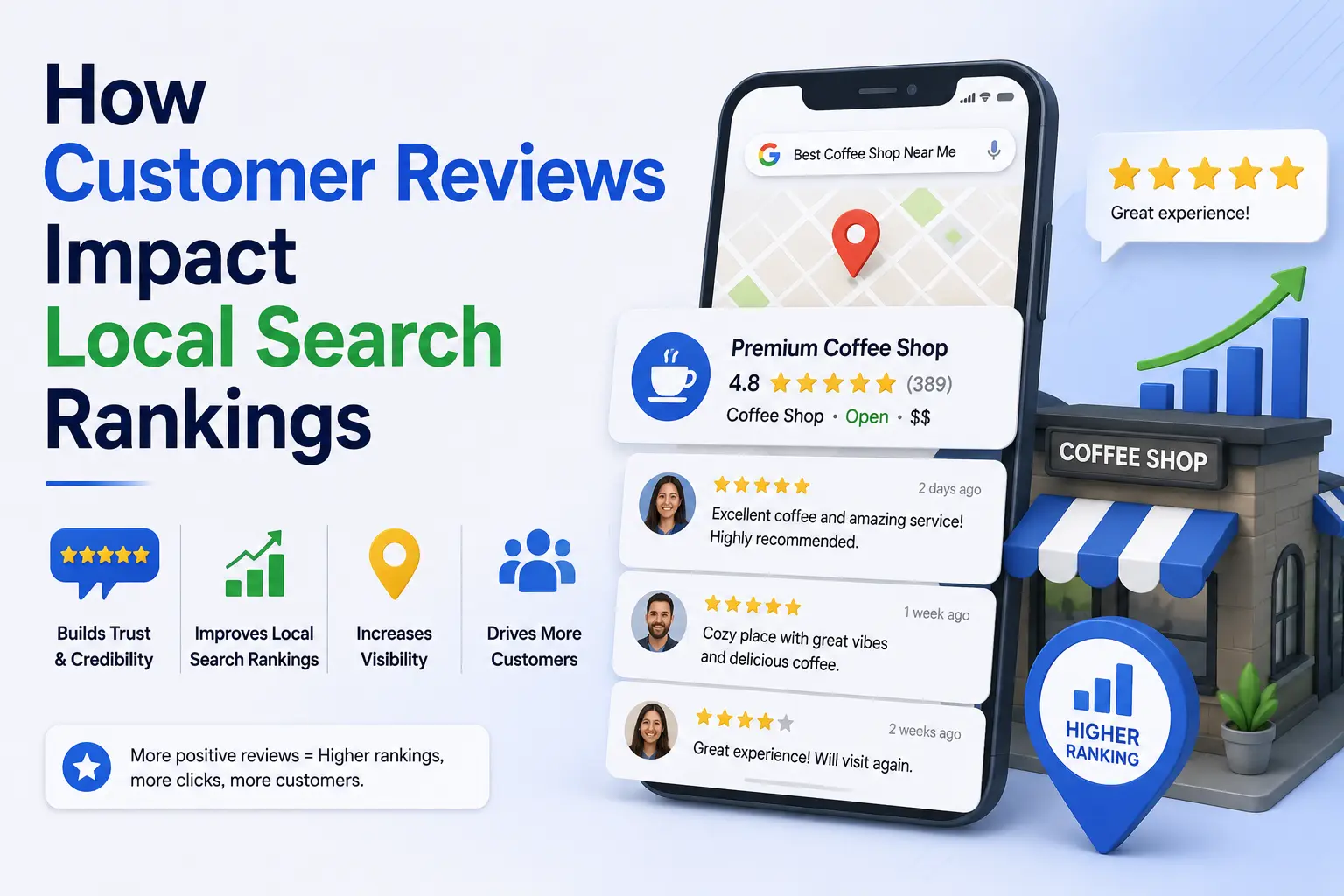
Cultivate High-Context Reviews: Encourage customers to leave detailed reviews mentioning specific services, product names, and neighborhood locations. AI models analyze these long-tail text patterns to gauge your true specialization.
Shifting From General Keywords to Local Intent Matching
Traditional SEO heavily relied on stuffing phrases like “plumber in Denver.” AI search requires a more nuanced approach focused on conversational depth. Your website content should mirror the exact natural phrasing a person uses when speaking to a voice assistant or AI chatbot.
Create dedicated community pages that naturally integrate localized landmarks, regional event sponsorships, and specific neighborhood problems your business solves. By answering the granular “why” and “how” of your local service area, you position your brand as the definitive local authority that AI models can confidently cite.
Conclusion
Adapting to AI search is not about abandoning traditional local SEO foundations, but rather elevating them. By optimizing for user intent, maintaining flawless directory data, and fostering detailed customer reviews, businesses can secure their visibility in the rapidly evolving landscape of generative search.
Frequently Asked Questions
How do AI Overviews choose which local businesses to feature?
AI models select businesses that demonstrate high conceptual relevance to the user’s specific prompt, backed by consistent NAP data, strong sentiment trends in reviews, and explicit structured schema markup on their websites.
Does voice search optimization matter for AI local SEO?
Yes. Voice search relies heavily on conversational, long-tail phrasing. Structuring your content to answer natural, spoken questions directly improves your chances of being sourced by AI voice assistants.
Will traditional Google Maps optimization still be relevant?
Absolutely. AI search engines pull foundational geographic and operational data directly from traditional mapping platforms. A fully optimized map listing remains a primary data feed for AI engines.
How do customer reviews impact AI search recommendations?
AI analyzes the actual vocabulary inside reviews to understand context. If multiple reviews praise your “gluten-free deep dish pizza,” AI will recommend you specifically for that hyper-specific query.
Should I create separate pages for every neighborhood I serve?
Yes, provided each page offers genuinely unique value. Avoid duplicate text template pages. Instead, create distinct content highlighting real projects, testimonials, and specific services relevant to each distinct neighborhood.