
The widespread use of conversational technology has fundamentally changed how consumers locate geographic services. Instead of typing fragmented phrases into a desktop browser, modern consumers ask real-time questions to smart speakers, mobile devices, and integrated automotive assistants while on the move.
To maintain digital relevance, neighborhood enterprises must adapt their online footprint to align with the unique mechanics of spoken queries.
The Shift From Text Inputs to Natural Spoken Dialect
Spoken requests differ significantly from traditional typed inputs. When typing, users minimize effort by using shorthand phrases, but verbal communication prompts consumers to speak in fully formed, natural sentences that mirror interpersonal dialogue.
-
Expanded Query Length: Spoken queries are significantly longer than typed searches, typically averaging several words or a complete sentence to express a single need.
-
Question-Based Frameworks: Verbal interactions naturally utilize complete interrogative prompts, heavily relying on structural starters such as who, what, where, when, why, and how.
-
Pronounced Local Urgency: A vast majority of verbal queries carry immediate local intent, seeking real-time navigation, operational availability, or instant transactional solutions.
-
Singular Answer Delivery: Unlike standard search result pages that display ten organic options, hands-free interfaces generally read aloud only the top definitive response, creating a highly competitive search environment.
Operational Mechanics for Capturing Conversational Impressions
Securing visibility within voice assistant outputs requires precise technical formatting and localized content structure. Algorithms prioritize information that can be easily parsed, read aloud, and verified for absolute accuracy.
-
Structure Content for Featured Snippets: Craft clear, direct responses spanning 40 to 50 words immediately beneath structural headings to feed automated text-to-speech systems.
-
Deploy Speakable and Local Business Schema: Embed specific structured data code into your website backend to explicitly highlight phone numbers, coordinates, and editorial summaries for machine processing.
-
Audit Mobile Responsiveness and Core Performance: Because verbal exploration occurs predominantly on mobile devices, fast loading speeds and thumb-friendly navigation prevent high bounce rates.
-
Incorporate Dynamic Location Modifiers: Go beyond broad city names by naturally integrating specific landmark cross-streets, neighborhood terminology, and regional transit hubs into web copy.
Optimizing Business Profiles for Zero-Click Conversational Answers
To serve as the single recommended option for a verbal inquiry, a company’s data must be completely uniform across the entire digital ecosystem. Automated discovery networks rely heavily on mapping frameworks and verified business profiles to pull real-time operational facts.
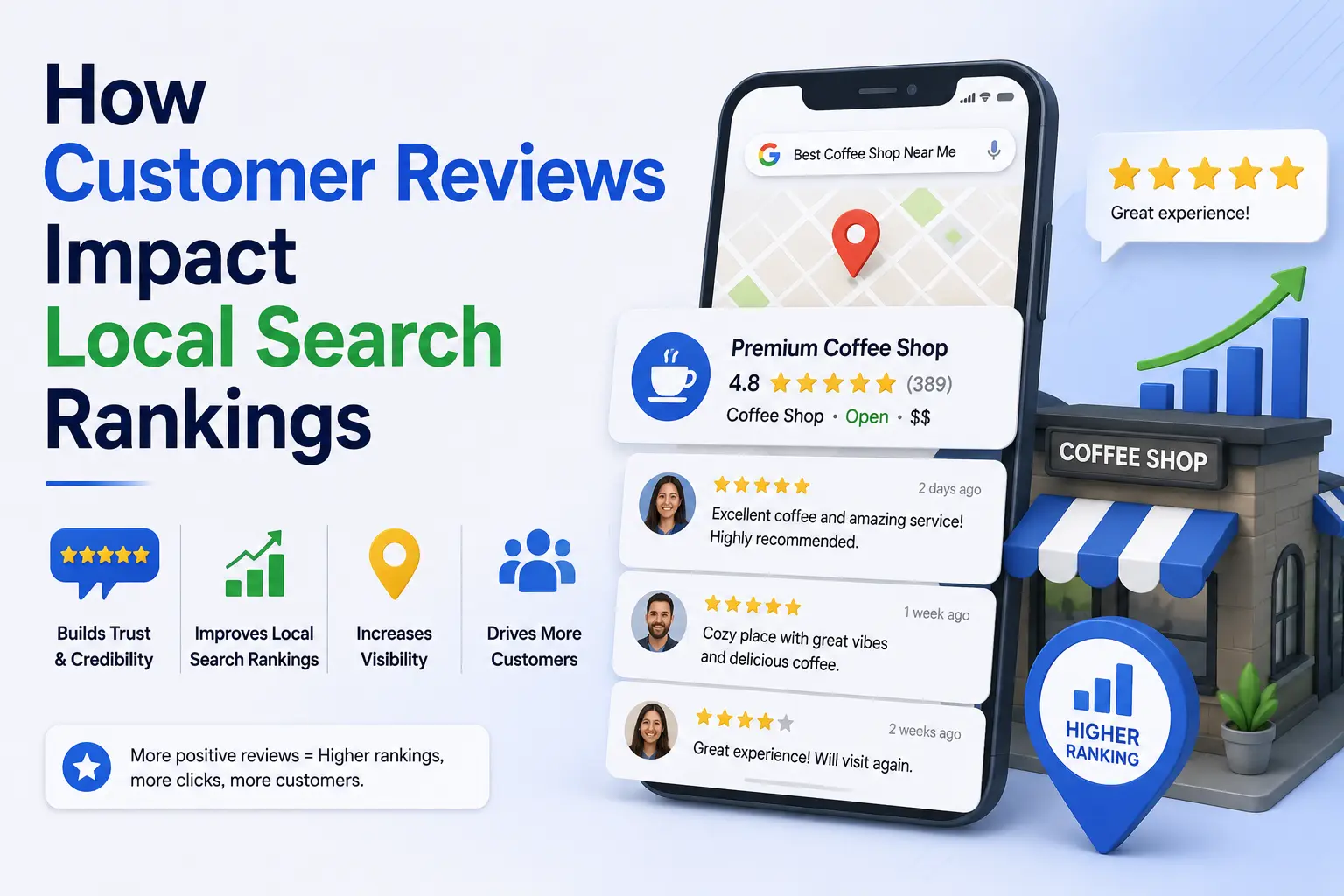
Ensure your operating hours, holiday schedules, and service descriptions are meticulously updated and matching on every directory platform. When a consumer asks an interface if a business is “open now near me,” the underlying engine matches geographic coordinates with the verified data feed. Fostering descriptive customer reviews that use conversational terminology further trains automated filters to recognize your specific localized expertise.
Conclusion
Future-proofing local discovery requires transitioning from rigid keyword formulas to flexible, natural language strategies. By prioritizing conversational phrasing, structural data integrity, and flawless directory synchronization, businesses position themselves as the undeniable direct answer for hands-free consumers.
Frequently Asked Questions
Why do keywords differ so much between typed search and voice search?
Typed search relies on brevity and convenient abbreviations due to manual entry. Voice search mimics natural human speech patterns, leading to complete sentences, descriptive adverbs, and higher linguistic diversity.
How does page loading speed specifically impact voice search success?
Voice engines require near-instant answer retrieval to maintain a fluid user experience. If a website takes too long to load, the processing algorithm will bypass that page entirely in favor of a faster alternative.
Should I create a separate FAQ page to capture verbal search traffic?
Yes. Creating comprehensive FAQ sections that match exact customer questions with immediate answers is one of the most effective ways to align content with conversational search engines.
What role does Google Business Profile play in voice assistant recommendations?
It acts as a primary database. Voice applications query these profiles directly to find verified phone numbers, physical locations, user ratings, and real-time operational statuses.
How do I optimize my business for “near me” voice requests?
Rather than repeating the phrase “near me” on your website, establish solid local authority by ensuring your physical address is verified, your schema markup is accurate, and your site mentions distinct regional landmarks.