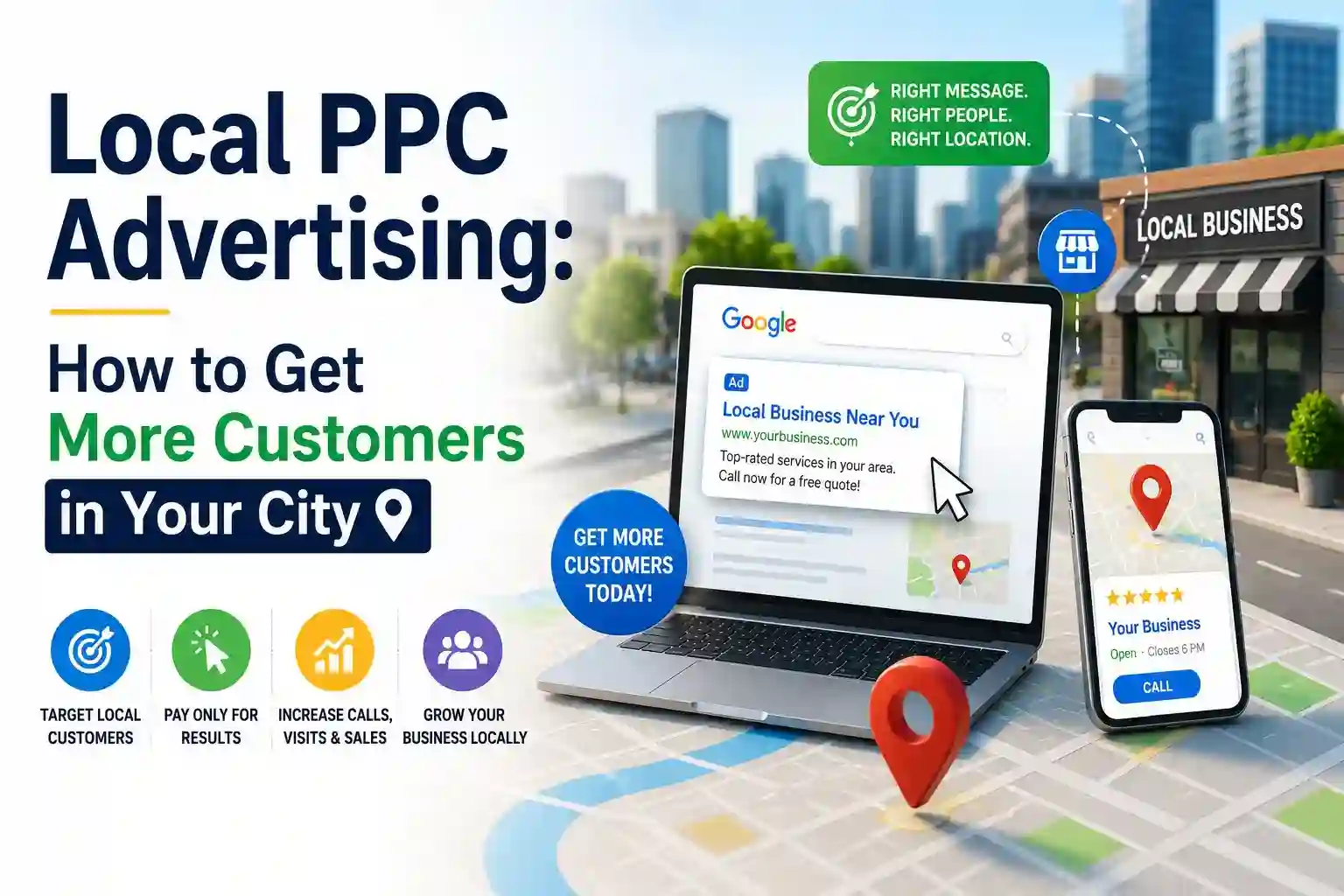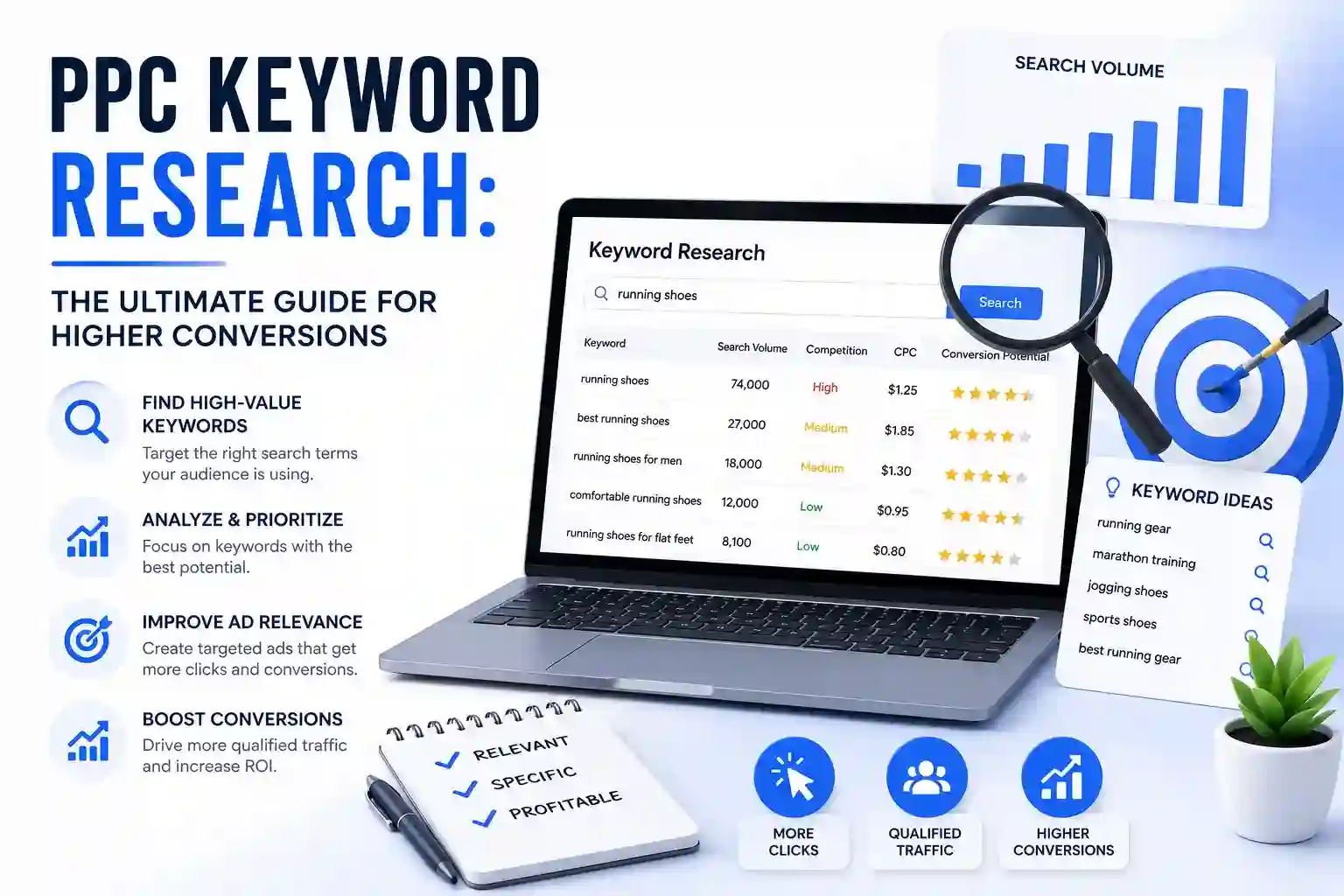

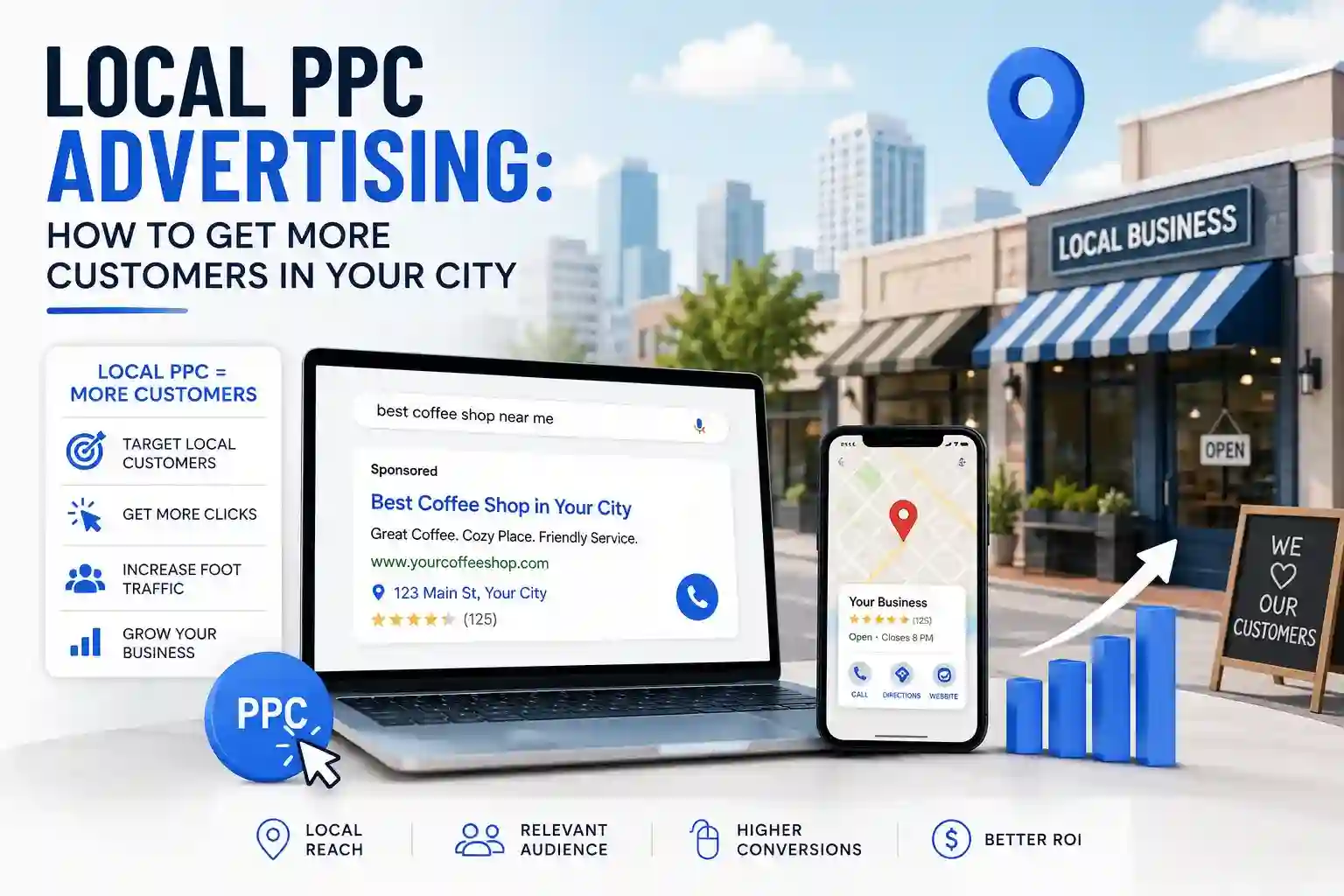
Running a local business means competing for the same customers every single day. Organic SEO takes months. Social media reach keeps shrinking. Local PPC advertising, however, puts your business in front of people who are actively searching for what you sell — right now, in your city.
Done correctly, pay-per-click ads generate measurable leads fast. Done wrong, they drain your budget without a single phone call. This guide covers what actually works.
Nail Your Geographic Targeting Before Spending a Rupee
Most local businesses set their location targeting too broadly. They select an entire state when their customers only come from a 10-kilometre radius. That mismatch burns money on clicks from people who will never walk through the door.
Use radius targeting centered on your business address rather than targeting an entire city. Google Ads and Microsoft Ads both allow you to draw precise boundaries. You can even layer multiple radius zones with different bid adjustments — bidding higher for people closest to your location.
Key geo-targeting settings to configure:
- Radius targeting: Set 5–15 km depending on your business type (restaurants stay tight; service businesses can go wider)
- Location bid adjustments: Increase bids for your highest-converting neighbourhoods
- Presence vs. interest: Target users physically present in your area, not just interested in it
- Exclusion zones: Remove areas where your service is unavailable or too costly to reach
Never skip location exclusions. A competitor’s area or a region outside your delivery zone should be blocked outright.
Build Ad Copy That Speaks to Local Customers
Generic ads perform poorly at the local level. Customers searching “plumber near me” or “best bakery in Lajpat Nagar” want a local answer — not a national brand. Your ad copy must signal locality immediately.
Follow these steps to write high-converting local ad copy:
- Include the city or neighbourhood name in the headline — it increases relevance scores and click-through rates simultaneously.
- Lead with a specific offer, not a vague tagline. “Free same-day inspection in South Delhi” outperforms “We’re the best plumbers around.”
- Add trust signals such as years in business, number of reviews, or certifications in the description lines.
- Use call extensions so mobile users can tap-to-call directly from the search results page — critical for service businesses.
- Include location extensions linked to your Google Business Profile, displaying your address, hours, and a map pin beneath the ad.
- Write for urgency where appropriate — “Open until 9 PM today” or “Limited slots this week” moves hesitant searchers to act.
Rotate two or three ad variations per ad group and let performance data determine which copy wins. Gut instinct loses to data every time.
Control Your Budget With Smart Bidding Choices
Local businesses operate on tighter margins than national advertisers. Wasting spend on irrelevant searches is not just inconvenient — it can derail an entire campaign.
Start with manual CPC bidding so you maintain full control over individual keyword bids. Once your campaign accumulates 30–50 conversions per month, shift to Target CPA (cost-per-acquisition) bidding and let the algorithm optimise within your target.
Keep these budget principles in mind:
- Allocate roughly 70% of spend to proven high-intent keywords, 30% to discovery
- Set dayparting schedules to pause ads during hours when your business is closed
- Monitor search term reports weekly and add irrelevant queries as negative keywords
- Separate brand keywords from non-brand keywords into distinct campaigns for cleaner reporting
A ₹500-per-day budget spent precisely on local intent keywords outperforms a ₹2,000-per-day budget scattered across broad match terms.
Conclusion
Local PPC advertising rewards businesses that combine precise targeting with compelling, location-specific messaging. Start with tight geographic zones, write ad copy that feels personal to your city, and use budget controls that prevent waste from the first day. Track conversions — not just clicks — and refine continuously. When each element works together, PPC becomes the most reliable source of new local customers your business will ever find.
Frequently Asked Questions
Q1: How much should a local business spend on PPC per month?
A starting budget of ₹15,000–₹30,000 per month is reasonable for most local businesses. The right amount depends on your industry’s average cost-per-click and how many leads you need monthly to stay profitable.
Q2: How long does it take to see results from local PPC campaigns?
Most campaigns show initial data within the first 7–14 days. Meaningful optimisation happens after 4–6 weeks once enough conversion data has accumulated for informed decisions.
Q3: What’s the difference between local PPC and local SEO?
PPC delivers immediate visibility through paid placements at the top of search results. SEO builds organic rankings over months without per-click costs. Both work best when run together, as PPC captures demand while SEO builds long-term authority.
Q4: Should I use broad match or exact match keywords for local ads?
Begin with phrase match and exact match keywords for tighter control over which searches trigger your ads. Broad match works better once you have sufficient negative keyword lists built from real search term data.
Q5: Can I run local PPC ads without a website?
Yes — Google’s Local Services Ads (LSA) allow service businesses to run verified local ads without a traditional website. However, a dedicated landing page almost always improves conversion rates and gives you greater control over the customer experience.