
The classroom has always evolved with technology — from chalkboards to computers, from textbooks to digital platforms. The current shift, however, runs deeper than any previous change. Artificial intelligence is not just adding new tools to education; it’s fundamentally altering how students learn, how teachers teach, and how educational institutions measure success.
Personalized Learning at a Scale Humans Alone Cannot Achieve
Every student learns differently. Some grasp concepts quickly through visuals; others need repetition or alternative explanations. Traditional classrooms struggle to accommodate this range — one teacher, thirty students, one pace.
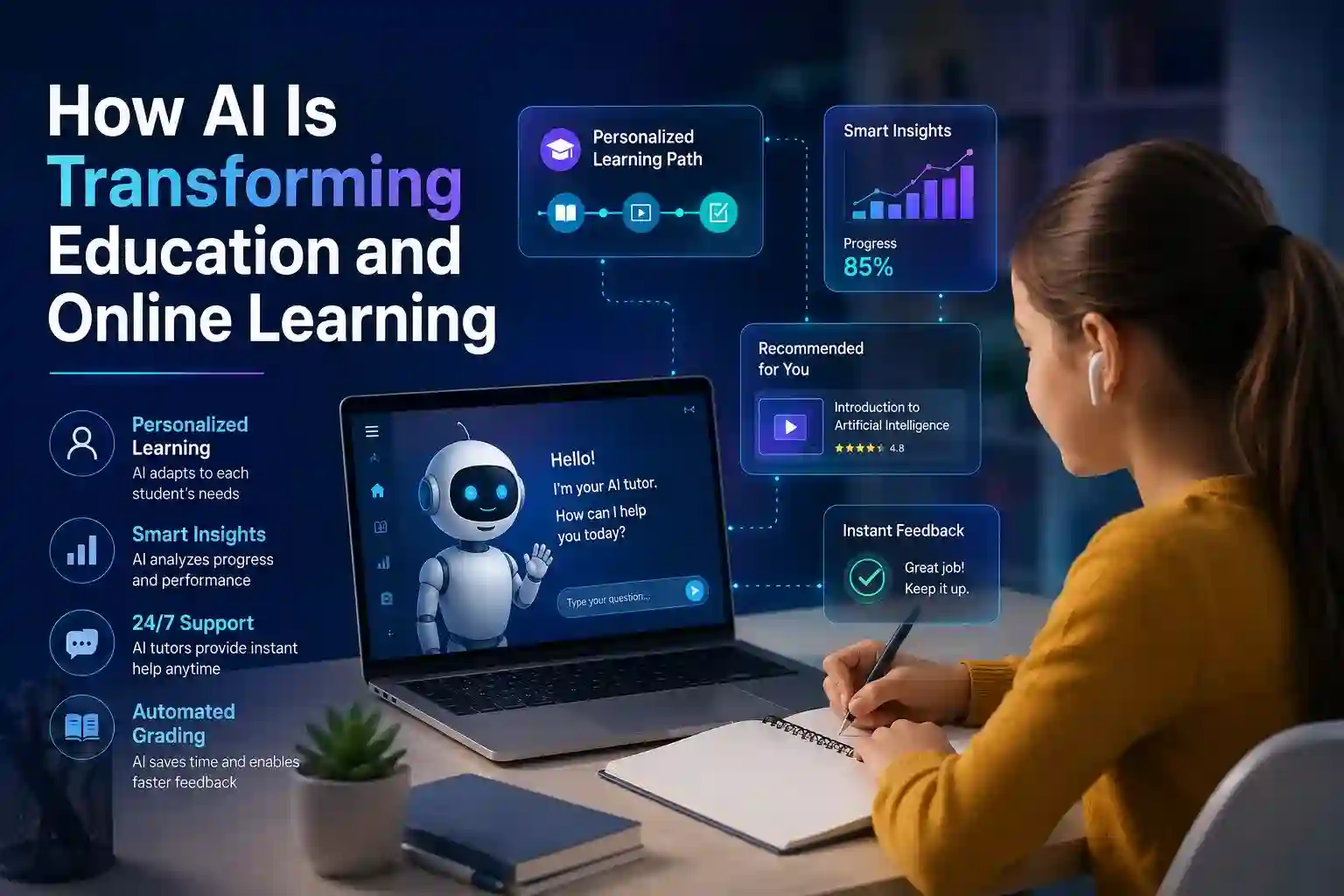
AI-powered adaptive learning platforms solve this by analyzing each learner’s performance in real time and adjusting content accordingly. If a student repeatedly struggles with fractions, the system identifies the gap and serves targeted practice before moving forward. If another student races ahead, the platform unlocks more challenging material without waiting for the class.
What makes this genuinely powerful:
- Dynamic content sequencing that responds to individual progress rather than a fixed curriculum calendar
- Micro-feedback loops that flag misunderstandings within seconds, not at the end of a graded assignment
- Learning style detection that adjusts presentation format — video, text, or interactive exercises — based on what keeps each student engaged
- Predictive alerts that notify educators when a student is at risk of falling behind, enabling early intervention
- Multilingual support that removes language barriers for non-native speakers through real-time translation and comprehension aids
This level of individualization was previously only possible through private tutoring. AI makes it available at scale, across thousands of learners simultaneously.
Intelligent Tutoring Systems and the Shift in Teacher Roles
AI tutoring systems now do more than quiz students — they hold conversations, ask probing questions, and guide learners toward answers through Socratic dialogue rather than simply providing solutions.
These systems are particularly effective in STEM subjects, where problem-solving steps can be mapped and analyzed precisely. A student working through a calculus problem receives hints calibrated to where their reasoning breaks down, not generic tips that miss the actual confusion.
The implications for educators are significant:
- Administrative workload decreases as AI handles attendance tracking, progress reporting, and routine assessments automatically.
- Teachers shift from information delivery to mentorship, spending more class time on discussion, critical thinking, and creative projects.
- Assignment feedback becomes faster as AI evaluates short-answer responses and essay structure, flagging issues for teacher review rather than requiring full manual grading.
- Professional development becomes personalized — AI analyzes classroom data to suggest specific pedagogical improvements for individual teachers.
- Curriculum planning improves as educators access AI-generated insights about which topics consistently confuse students across different classes and cohorts.
This doesn’t reduce the teacher’s importance — it reallocates their expertise toward the interactions that matter most.
How AI Is Reshaping Online Learning Platforms
Online education already removed geographical barriers. AI is now addressing the deeper challenge: keeping learners engaged and ensuring they actually retain what they study.
Completion rates for online courses have historically been low. Learners start with enthusiasm, then drift when motivation dips or confusion sets in. AI combats this through behavioral analysis — tracking how long someone pauses on a video, where they rewind, and which exercises they skip — then adjusting the experience to re-engage them.
Conversational AI assistants embedded in learning platforms answer student questions around the clock, eliminating the frustration of waiting days for instructor responses. This immediate support keeps momentum alive outside scheduled class hours.
AI-generated content is also enabling faster course creation. Educators can now produce quizzes, summaries, and supplementary reading from existing material in a fraction of the traditional time, allowing platforms to expand their catalogs without proportionally expanding their teams.
Conclusion
AI is not replacing education — it’s making it more responsive, more equitable, and more effective. Students receive instruction tailored to their actual needs. Teachers gain tools that free them from routine tasks and surface the insights they need to help struggling learners. Online platforms evolve from passive video libraries into dynamic environments that adapt to individual journeys. The transformation is already underway, and institutions that embrace these tools thoughtfully will produce graduates better prepared for a world where continuous learning is essential.
Frequently Asked Questions
Q1: How does AI personalize learning for individual students?
AI analyzes each student’s responses, pace, and error patterns to adjust content difficulty, format, and sequencing in real time — creating a tailored learning path without manual teacher intervention.
Q2: Can AI replace human teachers in schools or online courses?
No. AI handles repetitive tasks like grading and progress tracking, but human teachers provide mentorship, emotional support, and nuanced judgment that AI cannot replicate meaningfully.
Q3: What subjects benefit most from AI tutoring systems?
STEM subjects currently see the strongest results because problem-solving steps are structured and measurable. However, AI writing assistants and language tools are rapidly improving outcomes in humanities as well.
Q4: Is AI-powered education accessible to students in developing regions?
Increasingly yes. AI-driven platforms with multilingual support and low-bandwidth optimization are expanding access to quality learning resources in areas where qualified teachers or quality materials are scarce.
Q5: How does AI detect when a student is struggling before they fail a test?
By monitoring behavioral signals — time spent on questions, frequency of incorrect attempts, content revisits, and session drop-off points — AI identifies patterns associated with confusion and flags them for instructor review or automatic content adjustment.