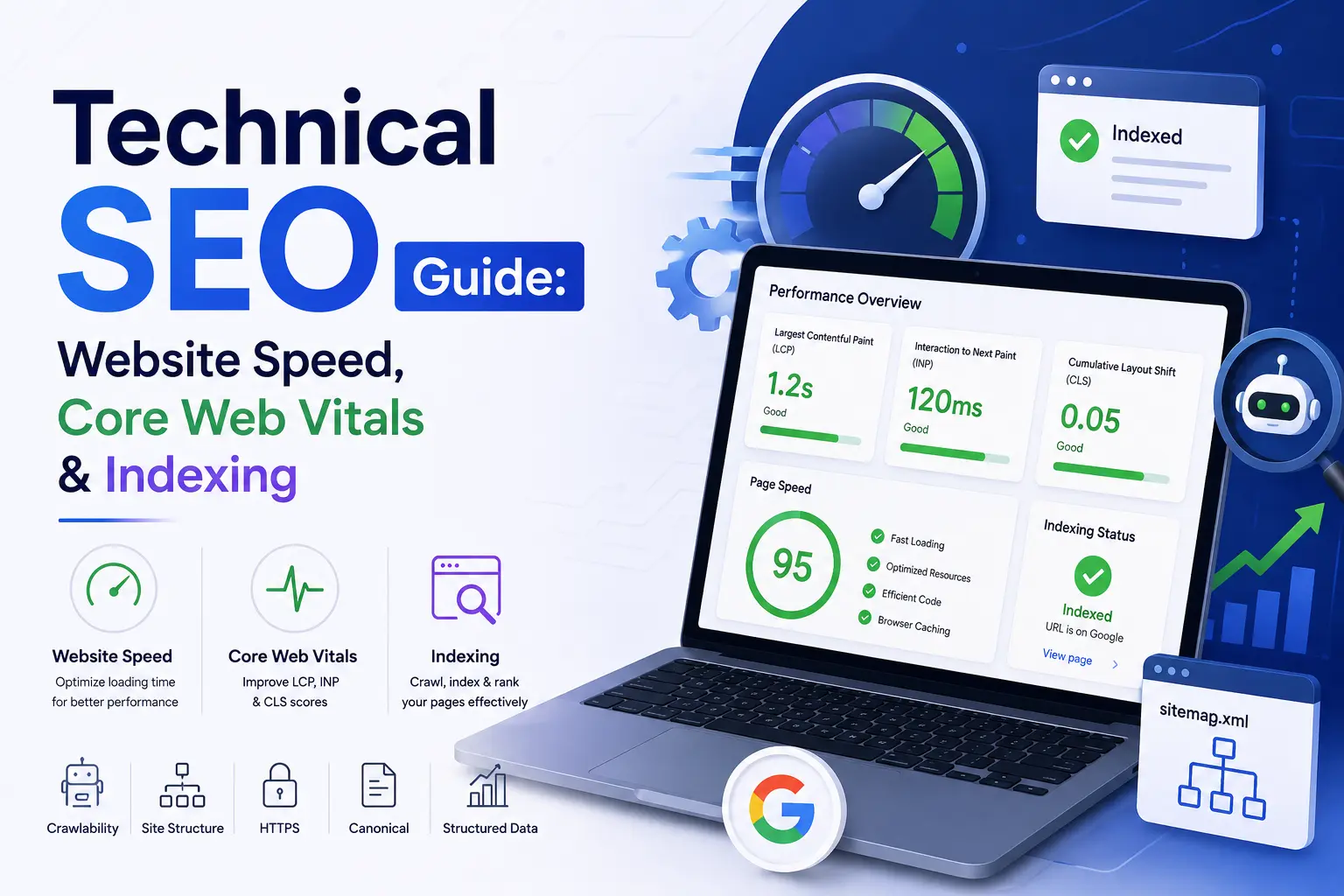

Automated search evaluation systems have shifted from simple keyword matching to analyzing intent precision, technical responsiveness, and informational depth. Relying on optimization strategies from a few years ago now causes severe organic drops. Modern search environments quickly identify and suppress sites that prioritize algorithmic manipulation over genuine user utility.
Reclaiming your organic search visibility requires isolating and resolving the hidden structural and editorial friction points that trigger automated algorithmic penalties.
1. Editorial and Content Architecture Oversight
Shallow content strategies fail to survive modern evaluation standards. Search engines prioritize original data and distinct perspectives, meaning sites that simply repeat existing search results are filtered out as redundant.
-
Low Information Gain: Publishing articles that mirror the top five search results without providing a new perspective, unique data, or a contrarian take leads to systemic suppression.
-
Unedited Generative Mass-Production: Flooding a domain with raw, unverified AI-generated blogs creates a clear synthetic footprint that lacks the nuance required for high-stakes topics.
-
Buried Contextual Answers: Forcing a reader to scroll through long introductory prefaces to find a basic definition causes rapid bounces, which signals a poor user experience.
-
Chasing Broad Search Volume Over Commercial Intent: Targeting high-volume, generic search phrases instead of low-volume, high-intent variations dilutes your audience pool and lowers conversion rates.
-
Neglecting the Rotational Content Freshness Cycle: Leaving historic pages un-audited for several years allows information decay to destroy old topical authority metrics.
-
Forced Semantic Variations: Intentionally stuffing headings and body paragraphs with awkward, machine-like keyword variations breaks reading rhythms and lowers user engagement.
2. Technical Infrastructure and Rendering Failures
Content quality cannot compensate for deep structural flaws in your website’s code. Modern crawling bots will abandon a domain if they encounter execution delays or indexing barriers that drain their automated resources.
-
Shipping Heavy Client-Side JavaScript Without Dynamic Rendering: Forcing a search crawler to execute heavy scripts to view basic text descriptions often results in a timed-out crawl, leaving a blank page indexed.
-
Ignoring Interaction to Next Paint Metrics: Focusing solely on initial page-load speeds while ignoring input lag when a user clicks a button severely lowers your mobile user experience score.
-
Falling Into Faceted E-Commerce Navigation Traps: Allowing product filtering systems to generate millions of dynamic parameter URLs wastes your crawl budget on duplicate pages.
-
Neglecting Mobile-First Structural Clipping: Hiding essential text elements or scaling down interactive buttons on smartphone screen layouts damages responsive configuration compliance.
-
Relying on Generic Internal Link Anchors: Using non-descriptive link text like “click here” instead of descriptive keywords prevents internal search crawlers from understanding page hierarchies.
3. Disregarding Generative Engine Footprints and Brand Signals
The modern search environment requires looking beyond traditional desktop search results. Automated systems now evaluate your brand’s footprint across the wider digital landscape to verify your real-world authority. Failing to optimize for generative summaries or ignoring brand-name search trends means missing out on high-intent user traffic.
Structuring your assets with clear definitions, bulleted data, and schema markup makes it easy for large language models to parse and cite your pages. Additionally, building brand familiarity outside of search channels is essential. If your brand lacks independent mentions on relevant forums and industry hubs, search engines will hesitate to trust your content for broader queries.
Conclusion
Sustained organic traffic requires moving away from outdated, automated shortcuts and focusing on technical precision and distinct perspectives. By fixing indexing blockers, eliminating thin content generation, and optimizing for generative citation formats, your website establishes the long-term trust required to hold top search positions.
Frequently Asked Questions
Why does unedited generative text struggle to sustain its search rankings?
Unedited generative output often repeats common industry consensus without adding real-world examples, case studies, or first-hand insights. When search systems detect this lack of original information gain, they downrank the pages.
How does Interaction to Next Paint impact mobile search visibility?
This metric tracks how fast a webpage responds when a user interacts with it, such as opening a menu. High input delay creates a frustrating user experience, which lowers your mobile performance score.
What is the most effective way to safeguard e-commerce crawl budgets?
Implement strict canonical tags that point back to main category hubs, and use your configuration files to block search bots from crawling tracking parameters or duplicate sorting URLs.
Why are high-volume search keywords becoming less profitable?
Broad, high-volume terms attract mixed user intent, resulting in immediate bounces. Focusing on descriptive, long-tail terms draws in targeted users who are ready to make a purchase.
How do brand-name searches influence generic organic keyword rankings?
Consistent user searches for your specific brand name signal real-world authority and trust to search systems, which helps lift your overall organic visibility for non-branded terms.