
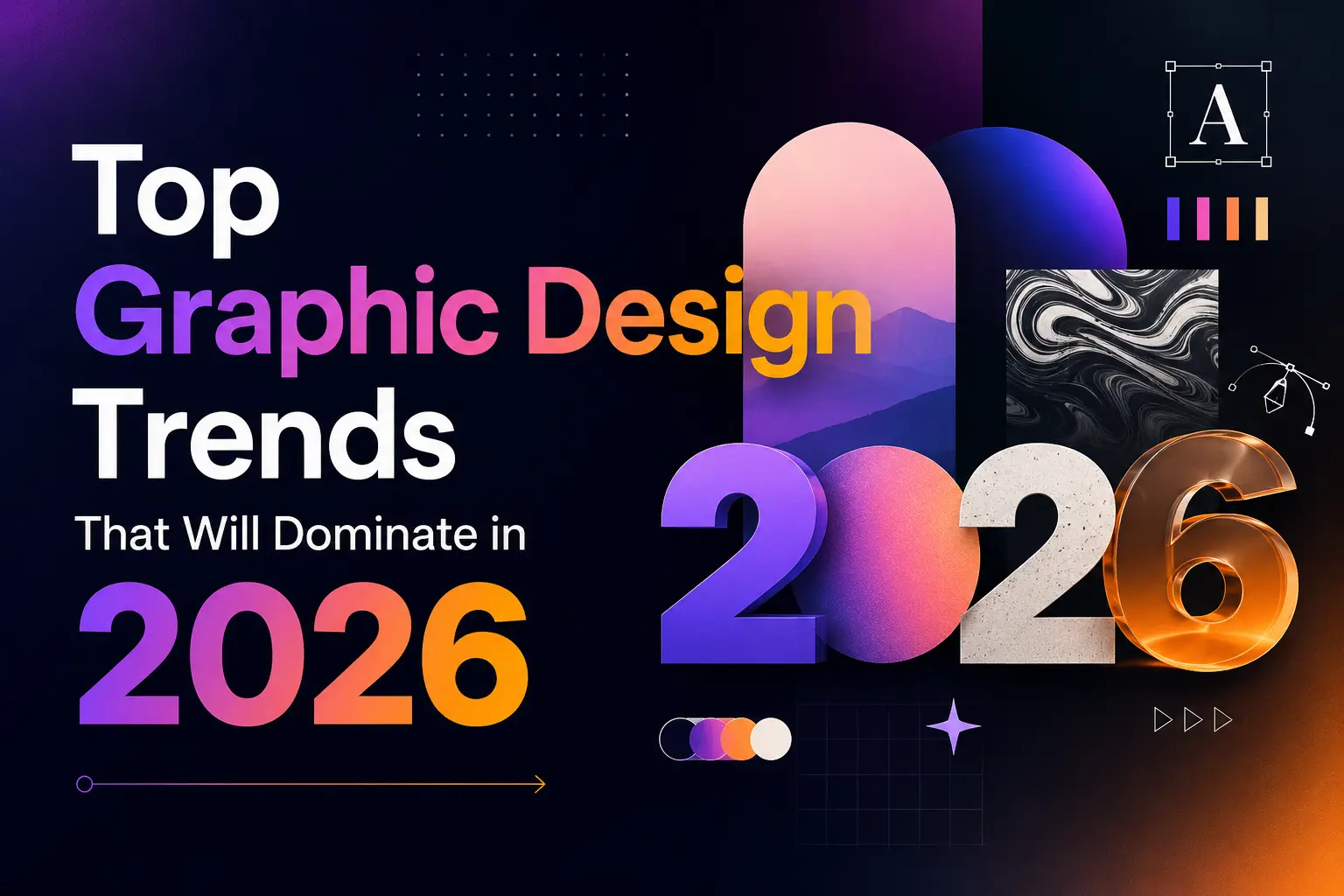
The visual landscape is experiencing a fascinating counter-revolution. As automated design pipelines deliver flawless, frictionless symmetry at the click of a button, a distinct visual fatigue has set in across digital platforms. Audiences are pushing back against algorithmic sameness, sparking a massive creative shift. This year, the dominant design movements reject sterile perfection in favor of tactile depth, deliberate human flaws, and expressive digital subversion.
The Rise of Imperfect by Design Aesthetics
The defining movement of the current design era centers on intentional human fingerprints. Agencies and independent creators are deliberately breaking traditional rules of alignment, geometry, and composition to signal authenticity and command consumer attention in crowded feeds.
-
Naive Realism and Freehand Irregularity: Designs are embracing uneven line weights, hand-rendered strokes, and skewed proportions that feel unmistakably crafted by a human hand rather than software templates.
-
Scrapbook Collage and Cut-and-Paste Overlaps: Brands are building rich layouts that look like a physical camera roll or diary entry dropped onto the screen, blending digital imagery with jagged, hand-cut paper textures.
-
Distorted Portraiture and Subverted Imagery: Creative directors are utilizing liquefying techniques, glitch effects, and surreal mirrors to warp traditional photography into emotionally evocative art pieces.
-
Type-Collage and Eclectic Micro-Layouts: Editorial formats are drifting toward zine-style layouts, where disparate typefaces, bold stamp motifs, and messy annotations crowd the margins comfortably.
Tactile Craft, Texture Checks, and Material Realism
As interactions remain heavily screen-bound, a craving for physical simulation has altered consumer preferences. Designers are focusing heavily on how a digital asset looks like it feels, moving far beyond the flat minimalism that dominated the past decade.
-
Liquid Glass and Heavy Translucency: Interfaces are adopting highly realistic, glossy glass dimensions that distort background assets elegantly when scrolled over.
-
Squishy and Puffy Three-Dimensionality: Mobile applications and packaging layouts feature soft, pillowy 3D objects that simulate sensory touch and playful, physical elasticity.
-
Raw Elemental Textures: Visual backgrounds are incorporating hyper-focused grains of slate, sand, stone, and rough bark to ground digital products in the physical world.
-
Chronicle Inventory layouts: Graphic assets are being displayed in neat, flattened runs resembling old-school scientific bug specimen drawers or childhood sticker sheets.
The Saturation Revival and Retro-Futurism Fusion
Color philosophy is moving away from the muted pastels and corporate grays of “quiet luxury” toward high-energy palettes that project confidence and optimism. This evolution combines mid-century space-age aesthetics with hyper-vibrant color fields.
Rather than relying on subtle accents, contemporary color palettes champion bold chromatic transitions and deeply saturated neon fields blended seamlessly with soft, nostalgic pastels. This approach marries the technical precision of futuristic chrome textures with cosmic gradients, creating a distinct retro-futuristic shine. It is a calculated visual strategy designed to provoke an emotional response, giving packaging, software applications, and editorial posters a definitive attitude that leaps off the screen.
Conclusion
Graphic design is no longer just about visual reduction or adherence to rigid layout grids. The contemporary environment values emotional resonance, human authorship, and physical simulation over sterile technical execution. By embracing deliberate imperfections, rich sensory textures, and high-contrast color systems, designers create memorable experiences that cut through digital noise and establish genuine, uncompromised connections with their audiences.
FAQs
What is driving the “Imperfect by Design” trend?
The rapid proliferation of hyper-polished, automated design tools has created visual exhaustion. Creators are turning to raw, unpolished, and asymmetrical styles to prove human authenticity.
How do tactile textures affect digital user experience?
By simulating realistic physical materials like liquid glass or soft leather, tactile designs create deep psychological engagement, making digital apps and websites feel more immersive.
What industries benefit most from the Saturation Revival trend?
Consumer packaged goods, lifestyle streetwear brands, entertainment festivals, and forward-thinking tech startups use hyper-saturated palettes to stand out from conservative competitors.
Are traditional minimalist layouts dead?
No, minimalism has evolved into “neo-minimalism.” It maintains clean structural spacing but now introduces rich, unexpected colors like deep sage, warm chocolate, or dark slate instead of plain beige.
How can a brand implement retro-futurism without looking dated?
Combine nostalgic elements like sci-fi typography or cosmic neon gradients with modern layout systems like Bento grid structures to keep the output feeling fresh and contemporary.