

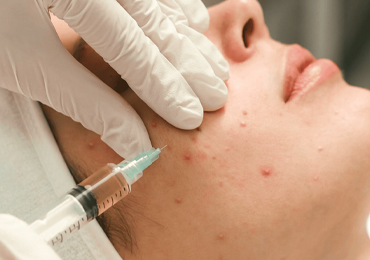
Acne can affect people of different ages and skin types. Although many people associate acne with teenage years, adults can also experience pimples, blackheads, whiteheads and recurring breakouts. Moreover, acne can sometimes leave dark spots and scars that affect skin texture and confidence. If you are looking for acne treatment in Kakkanad, understanding the causes of acne and choosing the right skincare approach can help you manage the condition.
At Skinpal, Kakkanad, Kochi, patients can explore personalized dermatological care for acne and related skin concerns. The right treatment depends on your acne type, skin condition and individual needs.
What Causes Acne?
Acne develops when excess oil, dead skin cells and bacteria contribute to blocked hair follicles. As a result, the skin may develop different types of pimples and inflammatory lesions.
Several factors can contribute to acne, including:
- Excess oil production: Sebaceous glands produce oil that can contribute to clogged pores.
- Hormonal changes: Hormonal fluctuations during puberty, menstruation and adulthood can influence oil production.
- Blocked pores: Dead skin cells can accumulate inside hair follicles and contribute to breakouts.
- Bacterial activity: Certain bacteria naturally present on the skin can contribute to acne-related inflammation.
- Genetic factors: Family history can influence a person’s tendency to develop acne.
- Lifestyle factors: Stress, certain skincare products and individual dietary patterns may influence acne in some people.
However, acne does not develop for one reason alone. Therefore, a dermatologist should assess your skin before recommending treatment.
Different Types of Acne
Understanding the type of acne helps determine an appropriate treatment approach. In particular, acne can appear in several forms.
1. Whiteheads and Blackheads
These non-inflammatory acne lesions develop when pores become clogged with oil and dead skin cells. Whiteheads remain closed, while blackheads develop an open surface that appears dark.
2. Papules and Pustules
Papules appear as small, red, inflamed bumps. In contrast, pustules contain visible pus and often develop a white or yellow centre.
3. Nodules and Cysts
These forms of acne develop deeper within the skin and can cause pain, swelling and a greater risk of scarring. Therefore, people with severe or persistent acne should seek professional dermatological advice rather than relying only on over-the-counter products.
Why Should You Seek Professional Acne Treatment?
Although mild acne may improve with suitable skincare, persistent or severe breakouts often need medical attention. Moreover, using unsuitable products or repeatedly changing skincare routines can irritate the skin.
A dermatologist can examine your acne, identify possible contributing factors and recommend a treatment plan. Depending on your condition, treatment may include topical medicines, oral medication, chemical peels or other dermatological procedures.
For example, dermatologists may recommend ingredients such as salicylic acid or benzoyl peroxide for selected acne concerns. However, the right product and concentration depend on your skin condition and tolerance.
In addition, early treatment can help reduce the risk of long-term acne marks and scars.
Common Acne Treatment Options
Different acne conditions require different approaches. Therefore, dermatologists select treatments according to the severity and type of acne.
Topical Acne Treatments
Topical treatments help manage acne directly on the skin. For example, dermatologists may recommend salicylic acid to help unclog pores or benzoyl peroxide to reduce acne-causing bacteria. Additionally, other prescription creams may help manage inflammation and prevent new breakouts.
Oral Medications
For moderate or severe acne, a dermatologist may consider oral medication. Depending on the patient’s condition, treatment may include antibiotics, hormonal therapy or other prescription medicines. However, patients should use these medicines only under medical supervision.
Chemical Peels
Chemical peels use selected acids, such as salicylic acid or glycolic acid, to exfoliate the skin. In suitable patients, these procedures may help improve clogged pores, uneven skin texture and post-acne marks. Nevertheless, a dermatologist must assess the skin before recommending a peel.
Acne Scar Management
Acne can sometimes leave scars even after active breakouts improve. Depending on the scar type, a dermatologist may recommend procedures such as microneedling, laser-based treatments or other suitable interventions. Furthermore, scar treatment usually requires an individualized plan and realistic expectations.
Simple Skincare Tips to Manage Acne
Along with professional treatment, a consistent skincare routine can support healthier skin.
- Cleanse gently: Wash your face twice daily with a mild cleanser.
- Choose non-comedogenic products: Select skincare and makeup products that do not easily clog pores.
- Avoid picking pimples: Picking or squeezing acne can increase inflammation and scarring.
- Use sunscreen: Apply a suitable broad-spectrum sunscreen during the day.
- Moisturize regularly: Choose a lightweight moisturizer that suits acne-prone skin.
- Follow medical advice: Use prescribed products consistently and discuss irritation or side effects with your dermatologist.
Most importantly, avoid harsh scrubs and excessive exfoliation because they can irritate acne-prone skin.
Why Consider Skinpal for Acne Treatment in Kakkanad?
Skinpal is a dermatology and cosmetology centre in Kakkanad, Kochi, offering personalized care for different skin and hair concerns. The clinic focuses on understanding individual skin conditions and recommending suitable treatment options.
Dr. Anu George T, Consultant Dermatologist and Cosmetologist, holds MBBS, MD (Dermatology, Venereology and Leprosy) and FRGUHS (Aesthetic Dermatology) qualifications.
At Skinpal, patients can seek guidance for acne, acne scars, pigmentation and other dermatological concerns. Furthermore, the clinic offers services such as chemical peels, laser procedures and other aesthetic treatments based on individual suitability.
Explore the available services at Skinpal or learn more about acne treatment in Kochi.
Frequently Asked Questions
1. Can acne affect adults?
Yes. Adults can experience acne due to hormonal changes, excess oil production, genetics and other contributing factors. Therefore, acne does not affect only teenagers.
2. How long does acne treatment take?
Treatment time varies depending on acne severity, skin type and the selected treatment. Some people notice improvement within several weeks, while others need a longer treatment plan.
3. Can acne leave permanent scars?
Yes. Severe or inflamed acne can damage deeper skin tissue and leave permanent scars. However, early treatment can help reduce the risk of scarring.
4. Is chemical peeling suitable for acne-prone skin?
Chemical peels may help selected patients manage clogged pores and certain acne-related concerns. However, a dermatologist should assess your skin before recommending the procedure.
5. When should I consult a dermatologist for acne?
Consider professional advice if acne persists, causes pain, leaves scars or does not improve with basic skincare. Early assessment can help you choose an appropriate treatment approach.
Consult Skinpal for Acne Care in Kakkanad
Acne management requires patience, consistency and the right treatment approach. Although suitable skincare can support your routine, persistent breakouts may need professional attention. Therefore, consult a dermatologist to understand your skin condition and explore appropriate treatment options.
If you are searching for acne treatment in Kakkanad, Skinpal offers personalized dermatological care for acne, acne scars and other skin concerns.
Skinpal – Skin | Hair | Aesthetics
- Website: https://skinpal.in/
- Phone: +91 86182 94452
- Address: 12/1811, Ground Floor, Achoth Tower, Near Kuzhikkattumoola Juma Masjid, Kusumagiri P.O, Kakkanad, Kochi – 682030.