
Solar power systems are often discussed in terms of panel output, yet storage can be equally important when electricity is needed outside daylight hours. Solar Energy System Batteries should be selected as part of a complete design that includes generation, inverter capacity, household load, and grid connection. A well-matched battery can store surplus production for later use, while an unsuitable one may add cost without solving the household’s actual energy problem. The planning process should begin with priorities, not a product catalog.
Define the role of storage
Clarify whether the primary goal is self-consumption, backup during outages, time-of-use bill management or a combination. Each goal changes the design. A household seeking evening energy may prioritize usable capacity, while a backup-focused system must also consider power output and the circuits to be supported. Some users may want only essential-load backup rather than an attempt to run every appliance. Put the priorities in writing and rank them so the installer can make transparent trade-offs between cost, capacity and functionality. This is one reason to evaluate Solar Energy System Batteries against the intended use rather than relying on a general claim.
Assess the solar array and household load
Review the array’s expected production across seasons and compare it with the household’s hourly consumption. A battery can store energy only after current loads are met, and winter production may differ from summer output. Consider future changes such as an electric vehicle, a heat pump, or a home extension. These can materially change the load profile. Use measured consumption where possible, and treat estimates as assumptions to be verified, rather than as guarantees of future savings. When comparing options, keep the requirements for Solar Energy System Batteries visible in the decision notes.
What LiFePO4 means in a storage discussion
Lithium iron phosphate, commonly abbreviated LiFePO4 or LFP, is one chemistry used in stationary storage products. Buyers should compare its specifications with the requirements of the installation rather than assuming every LFP battery performs identically. Look at usable capacity, charge and discharge limits, operating temperatures, battery management features, certification and warranty terms. Ask how the manufacturer defines cycle life and under what depth of discharge and temperature conditions the figure applies. Chemistry is one part of the decision; system engineering and support are equally important. This is one reason to evaluate Solar Energy System Batteries against the intended use rather than relying on a general claim.
Inverter pairing and electrical integration
Confirm that the battery is approved for the exact inverter model and the required firmware or configuration. Communication between the battery management system and inverter may be necessary for monitoring and protective control. Review the maximum charge and discharge current, voltage window, backup interface and any restrictions on parallel expansion. The electrical design should show protective devices, isolation points, and the relationship among solar, battery, grid, and backup circuits. Never rely on a general statement that a battery is compatible with all hybrid inverters. When comparing options, keep the requirements for Solar Energy System Batteries visible in the decision notes.
Safety, location and professional installation
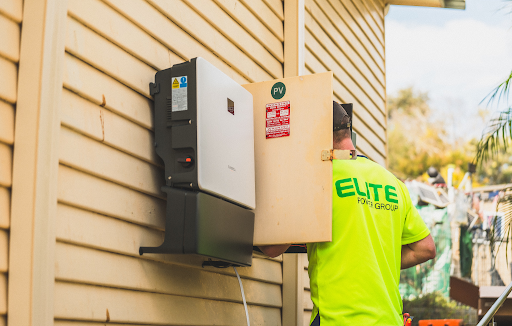
Battery installation must follow product instructions, applicable electrical codes and local permitting requirements. The selected location should meet specified temperature, clearance, mounting and access conditions. The installer should explain isolation, emergency procedures, and alarm monitoring. Avoid placing equipment where water exposure, excessive heat or blocked access could create problems. Commissioning should include verification of settings, charging behavior, backup operation where applicable and owner training. Keep manuals and commissioning records in an accessible place. This is one reason to evaluate Solar Energy System Batteries against the intended use rather than relying on a general claim.
Warranty and long-term service
Read the warranty for duration, energy throughput, operating conditions, approved installation requirements and exclusions. Understand whether monitoring data is required to support a claim and who is responsible for diagnostics. Ask about technical support response, replacement logistics and product availability. If the system is expected to expand later, confirm whether additional batteries can be added and what matching rules apply. A longer warranty is not automatically better if the conditions are difficult to meet or service is unavailable. When comparing options, keep the requirements for Solar Energy System Batteries visible in the decision notes.
Evaluate a complete proposal
Compare proposals using the same household load assumptions and backup priorities. Each should identify model numbers, usable capacity, continuous output, expected backup circuits, installation scope, and exclusions. Ask the installer to explain performance under a cloudy period or a prolonged outage. Solar Energy System Batteries should be judged by the job they are expected to perform, not by capacity alone. A transparent design helps the household understand both the benefits and the limits before committing. This is one reason to evaluate Solar Energy System Batteries against the intended use rather than relying on a general claim.
Final Thoughts
A useful next step is to write down the assumptions behind the decision. Record the intended use, the people who will rely on the product or service, the conditions it must handle and the budget available. This makes later comparisons easier because each option is judged against the same needs. If a supplier or provider provides an unclear answer, ask for the relevant details in writing and keep them with the other planning notes. It is also worth distinguishing essential requirements from preferences. Essential requirements determine whether an option is suitable at all; preferences help rank the options that already meet those requirements. This distinction prevents an attractive extra feature from distracting from a more important issue such as compatibility, safety, schedule or support. A short comparison sheet can record evidence for each choice and highlight unanswered questions. Finally, revisit the decision after the first period of use or participation. Note what worked as expected, what was difficult and whether the original assumptions were accurate. This information can guide maintenance, future purchases or a change in approach. Keeping a simple record is especially helpful when several people share responsibility, because it preserves the reasoning behind decisions instead of relying on memory.
The most effective solar storage system is designed around real consumption, defined backup goals and verified equipment compatibility. Compare the full specifications, installation plan, safety requirements and warranty. A clear proposal from a qualified installer gives homeowners a sound basis for choosing storage that supports their energy priorities.