

Many products reach customers wrapped in clear, tight film. Behind that finish is a chain of machines that seal, heat, and cool each package. This overview explains the main categories of shrink wrap equipment, how they work together, and how to plan a purchase.
The Process in Brief
Shrink film is manufactured under tension. When heated, it relaxes and contracts around the product. Wrapping a loose film layer and applying controlled heat produces a snug, protective cover.
The process needs three stages: wrapping or sealing, shrinking, and cooling. Different shrink wrap equipment handles each stage, and some machines combine two or more.
Main Equipment Categories
Sealers
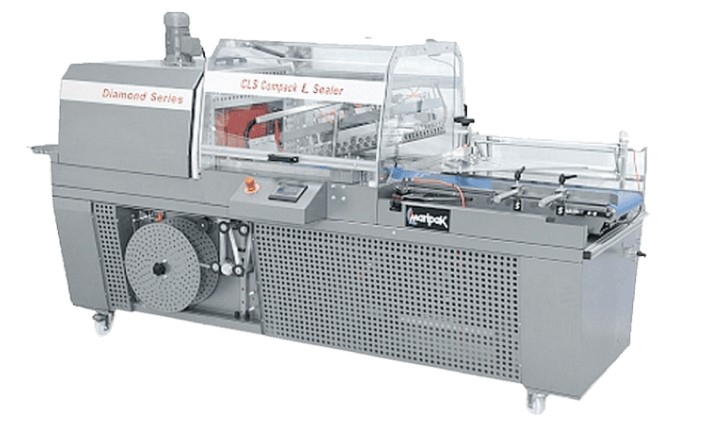
Sealers enclose the product in film and cut it to length. Hand-operated versions suit workshops and low volumes. Automatic versions feed film, seal, and move packages onward without manual handling.
Heat Tunnels
A tunnel is a heated chamber with a conveyor. Hot air circulates as products pass through, and the film contracts. Adjustable temperature, airflow, and speed allow different products to run on the same machine.
Heat Guns
Handheld heat guns work for occasional or oversized items. They need skill because heat must be applied evenly. They are not suited to steady production.
Bundling Machines
Bundlers group several items into multipacks before shrinking. They are common in beverage and food packaging, usually with polyethylene film. Conveyors, product guides, and film dispensers keep the bundle neat.
Choosing Film
Film type has a large effect on results.
- Polyolefin: clear, strong, and wide in temperature tolerance
- Polyvinyl chloride: economical, but it may become brittle and release fumes during heating
- Polyethylene: strong, suited to heavier bundles
Shrink ratios vary, with many films contracting by 30% to 80%. Confirm that the machines can handle the film you plan to use. Using shrink wrap equipment with the wrong film often causes weak seals or burn marks.
Planning Your Requirements
Start with the product. Measure the largest and smallest items, note their weight, and describe their shape. Then decide how many units must be wrapped per hour.
Matching shrink wrap equipment to the product mix avoids paying for capacity that goes unused. Next, consider space and utilities. Machines need floor area, power, and sometimes compressed air. Ventilation may be required near tunnels. Planning this early prevents installation problems.
Cost of Ownership
Purchase price is only part of the cost. Film is a continuing expense, and wasteful setups increase it. Energy use depends on insulation and heating design. Labour savings from automation can offset higher equipment prices over time.
Maintenance matters as well. Parts such as sealing wire, belts, and fans wear out, so ask about availability. Buying the least expensive shrink wrap equipment can prove costly if downtime is frequent.
Operating Best Practices
Run test samples before production. Start with moderate heat and speed, then adjust one variable at a time. Record the settings that work for each product so changeovers are quick.
Keep products evenly spaced on the conveyor to prevent uneven shrinking. Add small perforations to let trapped air escape. Train operators to spot faults early.
Maintenance and Safety
Clean sealing elements, belts, and rollers regularly. Inspect heating elements and fans on a schedule. Replace worn parts before they fail.
Heated components can burn, so use guards and heat-resistant gloves. Keep the area ventilated, and follow lockout procedures during service. A clear emergency stop should be within reach.
Where It Is Used
Retailers wrap books, games, and boxed goods. Food companies seal multipacks and add tamper evidence. Manufacturers bundle components, and shippers secure pallets of goods. The method adds protection without much extra weight.
Because use cases differ, the right setup varies widely. A small business might use a manual sealer and a compact tunnel, while a factory may need a fully automatic line.
Evaluating Suppliers
Ask for demonstrations with your own products. Check warranty terms, spare parts supply, and training. Ask whether the supplier can service shrink wrap equipment on site. References from similar users show how equipment performs over time.
Clear documentation and responsive support often matter as much as the machine itself. Choose partners who explain options honestly and discuss limits as well as strengths.
Conclusion
Smart buying rests on matching film, machine type, volume, and support. Operations that group items into multipacks often add a dedicated shrink bundler so the line stays organised from infeed to exit. Clear requirements and test runs make the final choice far simpler.