
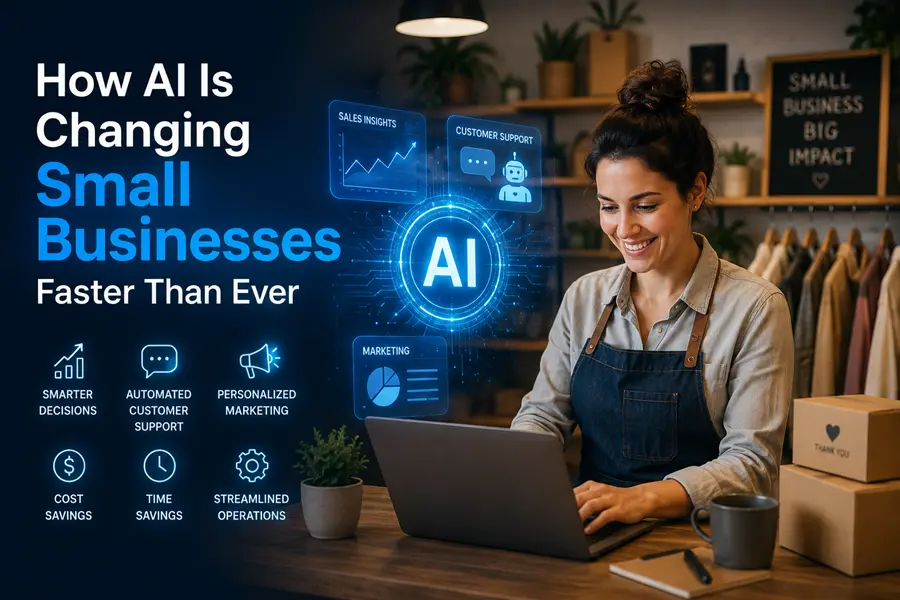
Small business owners are experiencing a shift that would have taken a decade just five years ago. Artificial intelligence has moved from corporate boardrooms to neighborhood shops, freelance studios, and two-person startups — and the pace of adoption is only accelerating.
This isn’t about replacing the human element. It’s about giving small teams the leverage they never had before.
AI Is Eliminating the Cost of Doing Repetitive Work
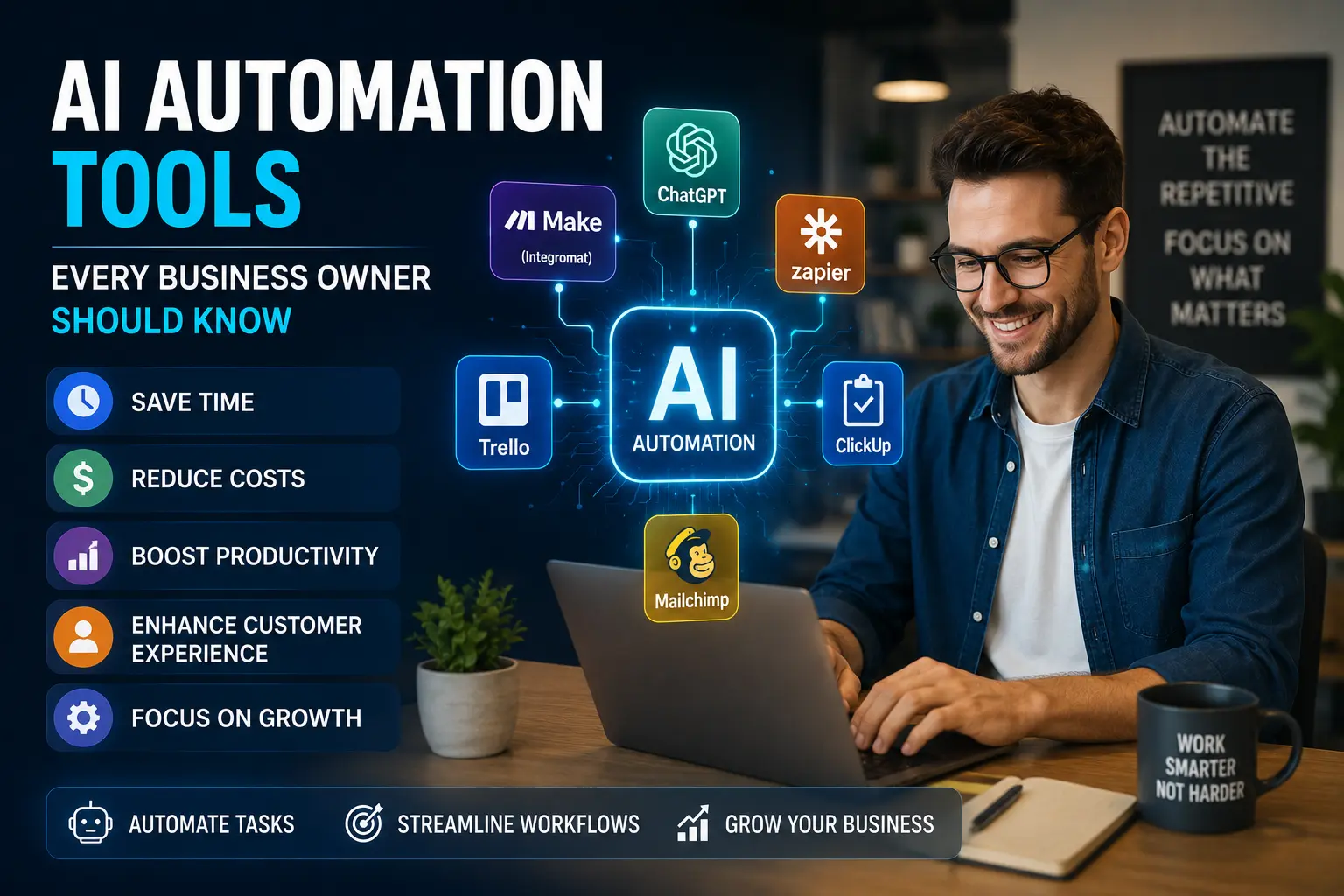
Time spent on invoicing, scheduling, responding to routine customer questions, and managing inventory has long been the quiet drain on small business productivity. AI tools now handle these tasks automatically — and without the overhead of hiring additional staff.
- Chatbots handle customer inquiries 24/7, including order tracking, FAQs, and appointment bookings
- AI-powered accounting software categorizes expenses, flags anomalies, and prepares tax-ready reports
- Scheduling assistants sync calendars, send reminders, and reduce no-shows with zero manual effort
- Inventory management tools predict restocking needs based on historical sales patterns
- Email automation sequences follow up with leads without the owner lifting a finger
A plumber, a boutique owner, or a solo consultant can now operate with systems that previously required a full administrative team. That’s not a minor upgrade — it’s a structural change in how lean a small business can run.
AI-Powered Marketing Has Leveled the Playing Field
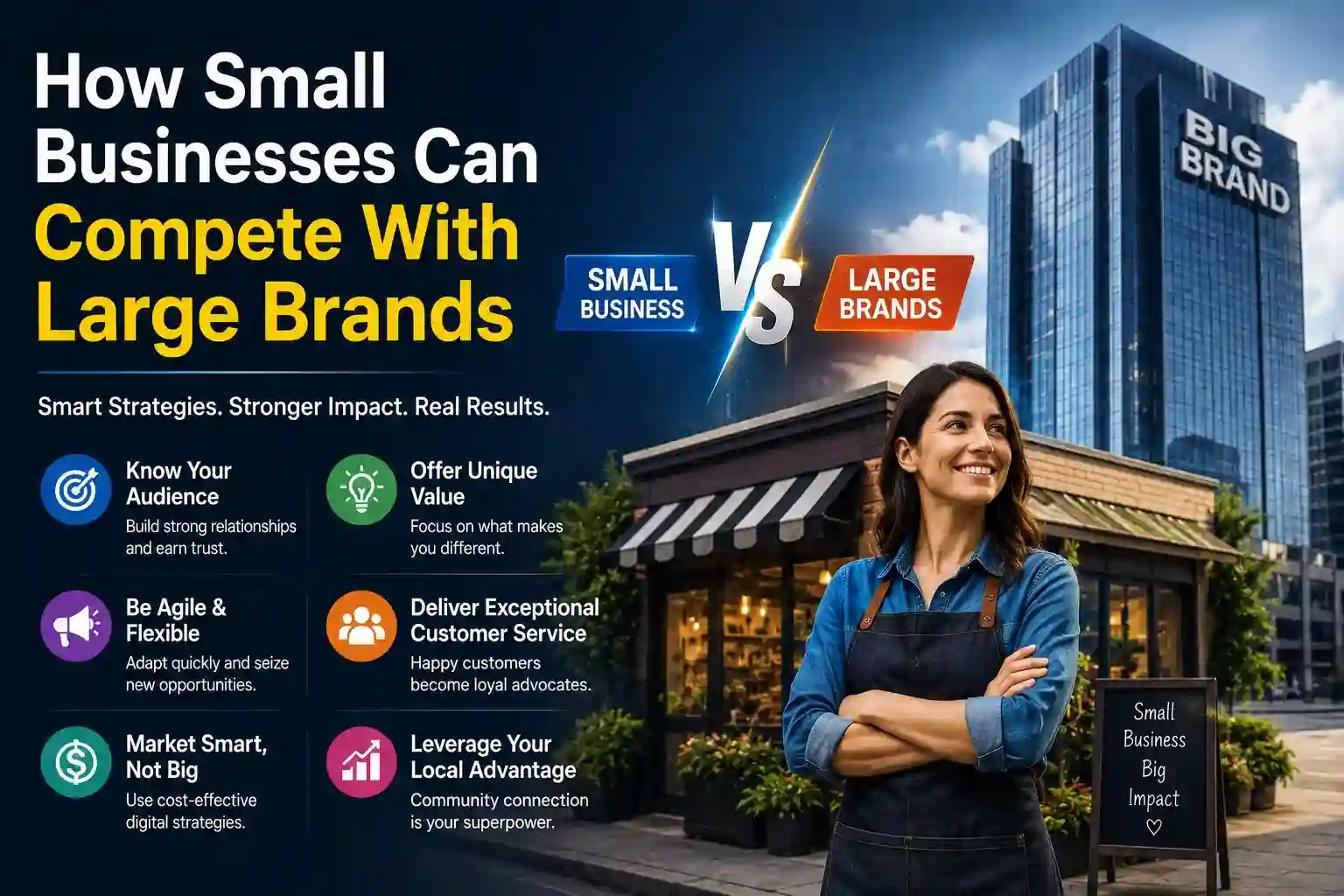
Competing with larger brands used to require a substantial ad budget and a dedicated marketing team. That gap has narrowed significantly.
- Content generation: AI writing tools help small businesses produce blogs, social captions, and product descriptions consistently — without outsourcing to agencies.
- Audience targeting: AI ad platforms analyze customer behavior and automatically adjust targeting in real time, making smaller budgets work harder.
- Personalized email campaigns: Tools now segment audiences and tailor messaging based on past purchases, browsing habits, or location.
- SEO optimization: AI-driven keyword tools identify ranking opportunities that previously required expensive consultants.
- Visual content creation: Logo design, social graphics, and video thumbnails are now accessible to businesses with no design background.
The result is a smaller business that looks and communicates like a much larger one — without a proportionally larger marketing spend.
Decision-Making Is Getting Smarter With AI Insights
One of the most underappreciated advantages AI offers small businesses is the ability to make data-driven decisions quickly. Historically, analytics were reserved for enterprises with dedicated data teams.
Now, a small retail shop can see which products are trending before they sell out. A restaurant owner can identify which menu items drive the most repeat visits. A service provider can determine the best time to run promotions based on customer behavior patterns.
AI dashboards surface these insights automatically. Owners don’t need to export spreadsheets or run manual reports — the patterns emerge in real time, in plain language.
This shift matters because decisions based on gut instinct, while valuable, carry more risk than those informed by actual customer data. AI doesn’t replace judgment; it sharpens it.
The Competitive Pressure to Adopt AI Is Real
Small businesses that delay AI adoption aren’t just missing efficiency gains — they’re ceding ground to competitors who are moving faster. When a competitor automates customer follow-ups, reduces overhead through AI scheduling, and personalizes their marketing at scale, the business still relying entirely on manual processes faces a growing disadvantage.
The barrier to entry for most AI tools is lower than many assume. Many platforms charge less per month than a single hour of freelance labor. The learning curve has also flattened — most tools are designed for non-technical users and include onboarding support.
The question for small business owners is no longer whether AI applies to them. It’s which processes to automate first.
Frequently Asked Questions
Q: Do small businesses need technical expertise to use AI tools?
Most modern AI business tools are designed for non-technical users. They feature drag-and-drop interfaces and guided setup processes that require no coding knowledge.
Q: Can AI help a service-based business, or is it mainly for product sellers?
AI is highly effective for service businesses — particularly for appointment scheduling, client communication, proposal generation, and review management.
Q: Is AI affordable for businesses with limited budgets?
Yes. Many AI tools offer tiered pricing starting under $30 per month. Some, like basic AI writing assistants or chatbot builders, have free plans with meaningful functionality.
Q: Will using AI reduce the personal touch customers expect from small businesses?
When implemented thoughtfully, AI handles the transactional work — freeing owners to focus on relationship-building, which is where the human element matters most.
Q: Where should a small business owner start with AI?
Start with the task that consumes the most time for the least revenue return — usually customer follow-up, scheduling, or content creation. Pick one tool, master it, then expand.