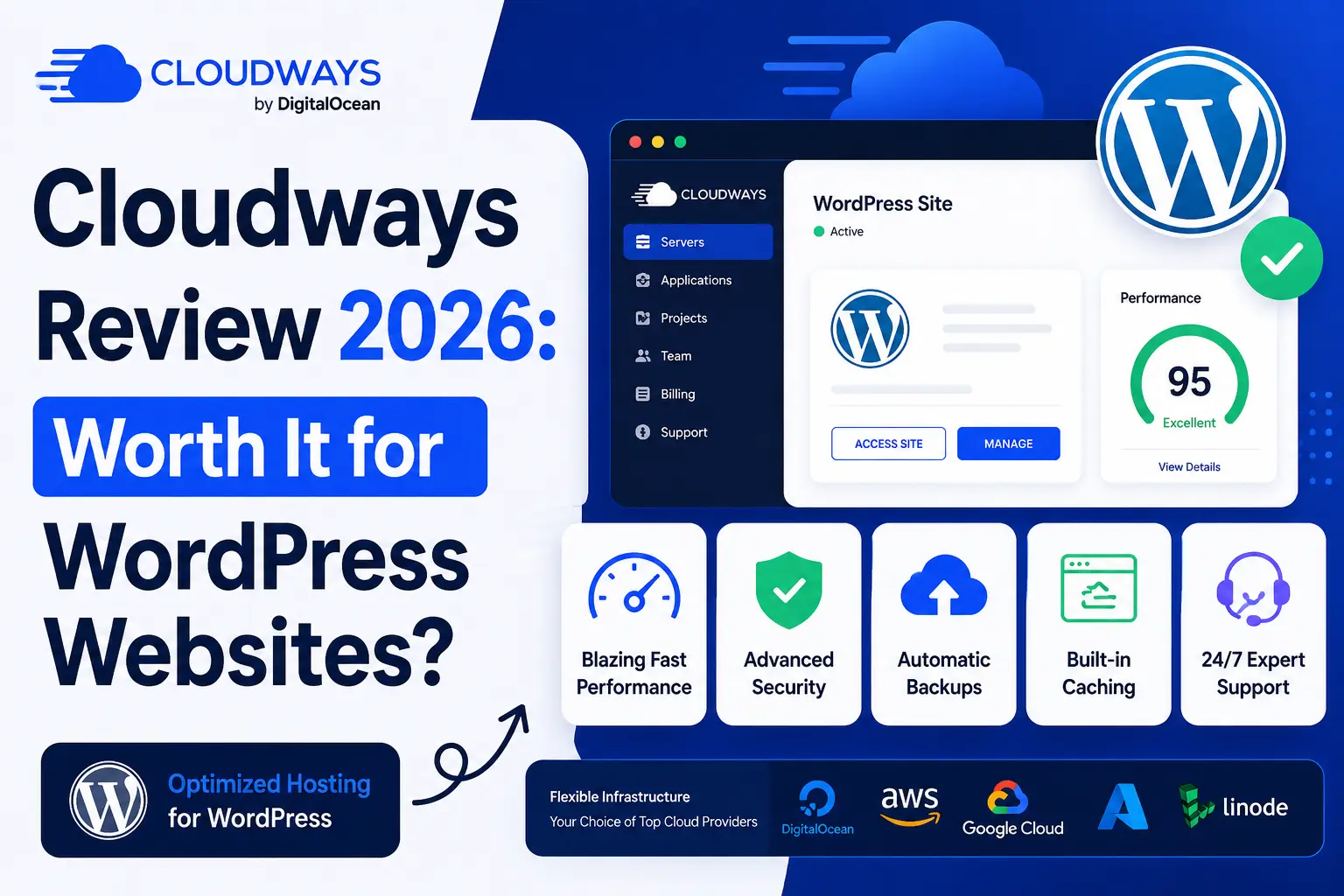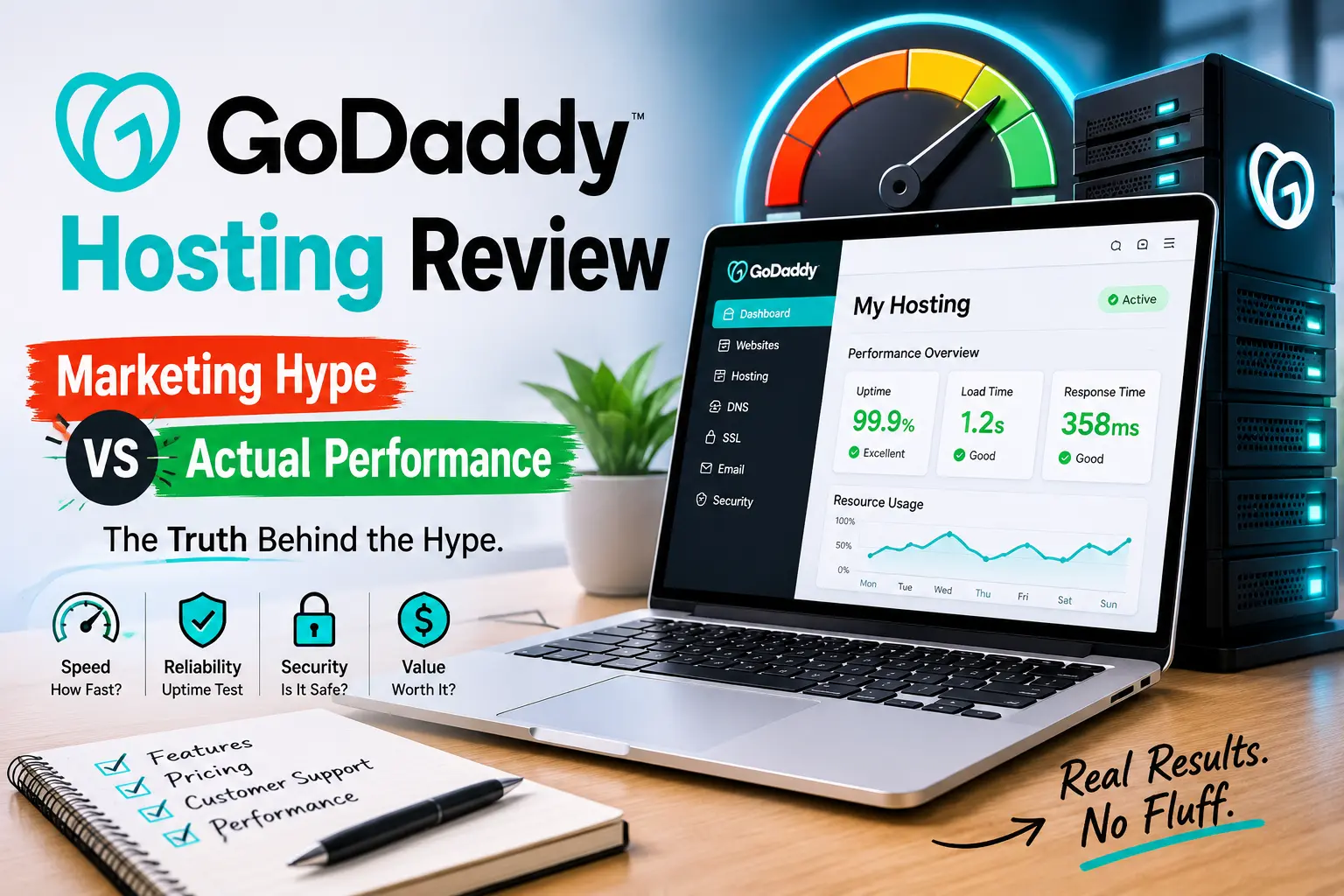

Choosing a web hosting provider often feels like a balancing act between cost and capability. While market alternatives compete fiercely on rock-bottom pricing, a distinct segment of premium providers positions themselves at a higher price point. They promise that superior performance, tight security, and expert support justify the extra expense.
For a growing business or an independent creator, an underperforming website can directly lead to lost revenue and diminished search rankings. Evaluating a premium provider requires moving past marketing promises to analyze its technical architecture, everyday usability, and long-term financial commitments. This breakdown examines whether investing in top-tier hosting genuinely delivers a tangible return on investment.
The Technical Infrastructure Powering Premium Performance
The foundation of a premium hosting service lies in its underlying hardware and data distribution networks. Rather than relying on outdated, legacy data centers, high-end providers leverage cutting-edge cloud architectures to ensure fast and consistent page delivery.
-
Google Cloud Integration: Utilizing containerized Google Cloud infrastructure provides enterprise-grade reliability, low-latency routing, and exceptional physical data security.
-
Proprietary Multi-Level Caching: Custom-engineered caching systems automatically handle static resources, dynamic full-page data, and complex database requests to reduce server load times.
-
Custom PHP Optimization: Specialized PHP execution setups process application requests significantly faster than standard server configurations, allowing high-traffic sites to load seamlessly.
-
Centralized Content Delivery Network: Built-in edge networks cache your website across global geographical nodes, ensuring international visitors experience minimal latency.
-
Intelligent Resource Isolation: Advanced account isolation protocols ensure that a sudden traffic spike or a security vulnerability on a neighboring site never impacts your server resources.
Administrative Workflows and Long-Term Value Management
Transitioning to a premium ecosystem introduces custom software interfaces designed to streamline daily site operations. Managing these assets effectively involves understanding the operational tools provided and mapping out the financial lifecycle of your subscription.
-
Navigating the Proprietary Control Panel: Moving away from traditional, cluttered administrative interfaces, custom dashboards offer an intuitive layout where users can easily manage databases, emails, and domain routing.
-
Utilizing One-Click Staging Environments: Mid-tier and advanced accounts feature seamless staging tools, allowing developers to clone live websites, test plugin updates safely, and deploy changes without risking downtime.
-
Automating Security Backups and Restores: Automated daily backup systems preserve thirty days of website data, providing quick, single-click restoration options if a file modification goes wrong.
-
Managing the Renewal Pricing Shift: Low introductory rates adjust to standard premium pricing upon contract renewal, making it essential to calculate long-term operating costs before signing up.
-
Executing Zero-Downtime Site Migrations: Specialized automated migration plugins and dedicated professional transfer services allow existing websites to switch platforms without losing visitor access.
Evaluating Technical Support Quality and Operational Scale
When a critical technical issue arises, the true value of premium hosting becomes apparent. Standard hosting providers often utilize entry-level tier-1 agents who rely on rigid scripts, causing delays for complex issues. Premium systems differentiate themselves by providing 24/7 access to knowledgeable technical support experts through live chat and phone channels, resolving configuration errors, database corruptions, and SSL issues quickly.
Scalability is another major advantage of high-end infrastructure. As an online business grows from a modest blog into a bustling e-commerce storefront, its resource demands increase significantly. Premium platforms offer smooth upgrade paths from shared environments to managed cloud solutions, eliminating the technical friction of migrating between different providers and ensuring your site scales seamlessly alongside your business growth.
Conclusion
Premium hosting represents a strategic shift from basic utility to performance optimization. If your website serves as a primary source of business revenue, the fast server response times, seamless staging tools, and responsive customer support easily justify the higher renewal rates. However, for hobbyists or static portfolios with low traffic, a budget-focused alternative may prove more economical.
FAQs
Why is premium hosting significantly more expensive than standard shared hosting?
The increased cost reflects the use of superior cloud infrastructure, advanced caching technologies, automated security layers, and highly trained support engineers available around the clock.
Will switching to a premium host automatically improve my search engine rankings?
Faster server response times and improved page load speeds contribute directly to a better user experience. Since page speed is a confirmed search ranking factor, upgrading can positively influence your search visibility.
What is the practical benefit of a built-in staging tool?
A staging tool allows you to create a private copy of your live website. You can test new design layouts, plugins, or custom code in this isolated environment without affecting your public visitors.
Do I need to buy a separate security plugin on a premium host?
Most premium hosts include robust built-in security features, such as web application firewalls, automated malware patching, and brute-force bot protection, reducing the need for heavy third-party security plugins.
Can I host multiple websites on a basic starter plan?
Entry-level plans are typically limited to a single website and fixed storage space. To host multiple domains and unlock advanced developer tools, upgrading to mid-tier or advanced packages is required.