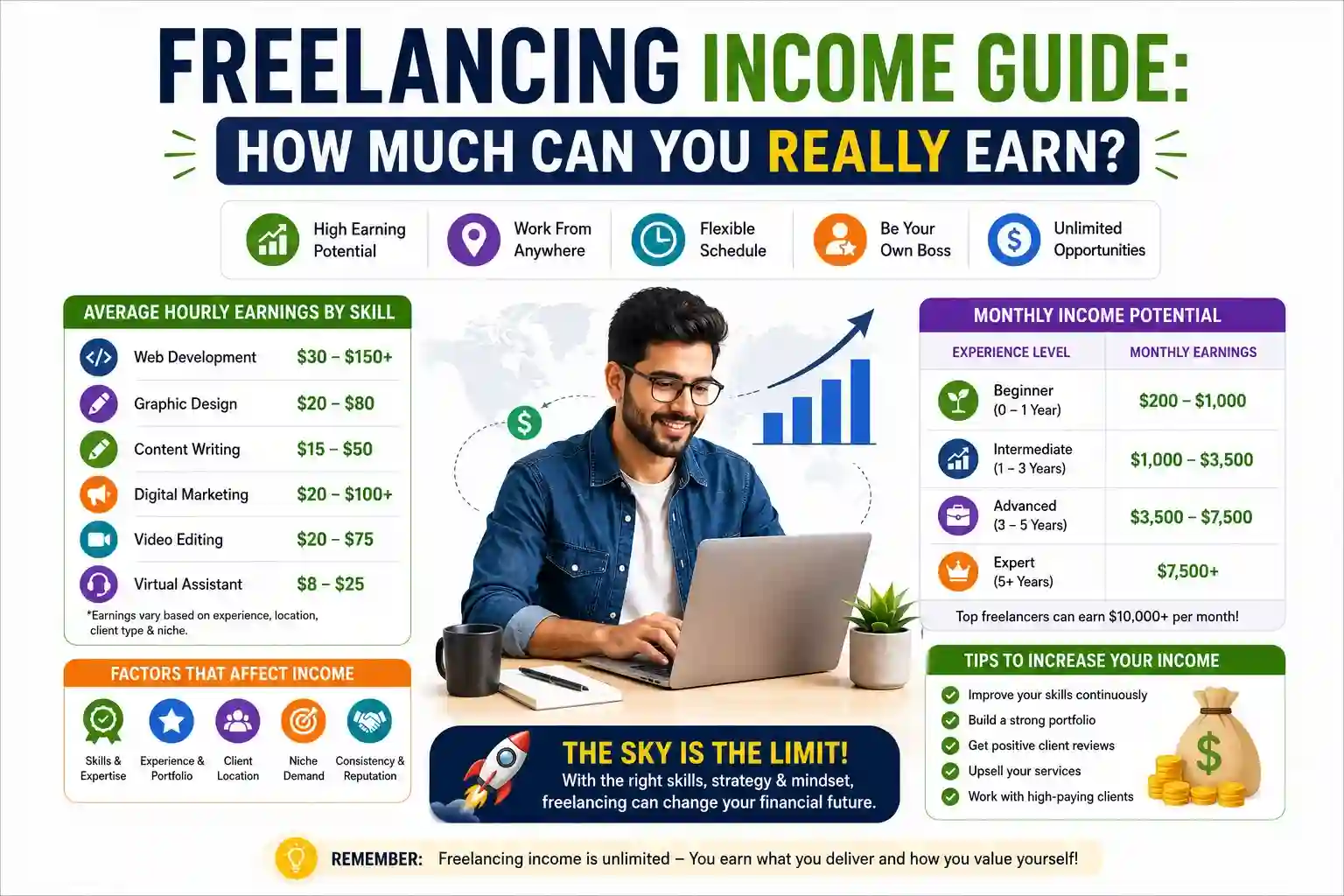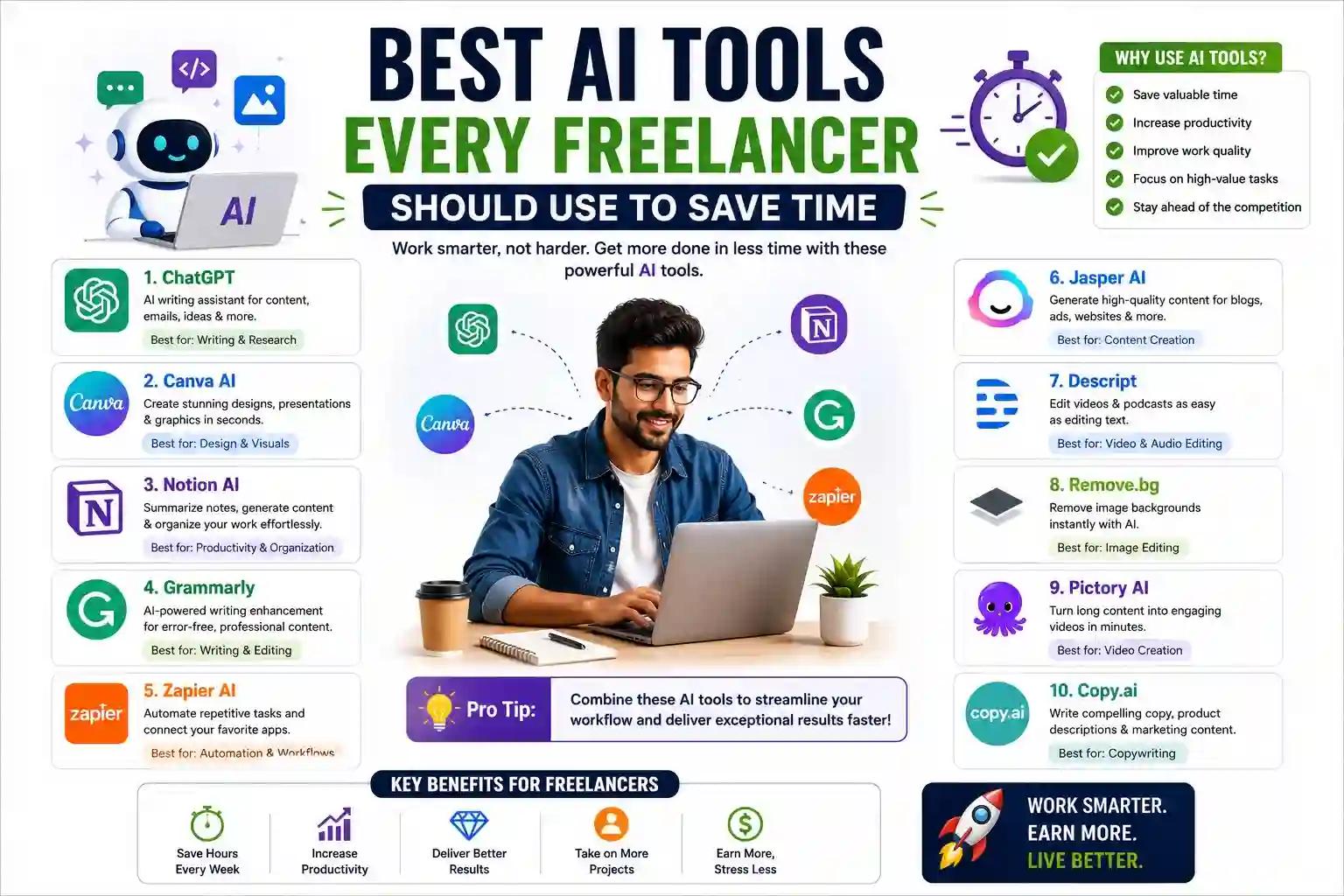

Freelancing has reshaped how millions of professionals work — but success hinges on being on the right platform. Not every freelance website delivers the same quality of clients, payment security, or growth opportunities. Choosing wisely from the start saves you months of wasted proposals and low-paying gigs.
Best General Freelance Platforms for All Skill Levels
Whether you’re a writer, designer, developer, or marketer, general-purpose platforms give you the broadest exposure to potential clients.
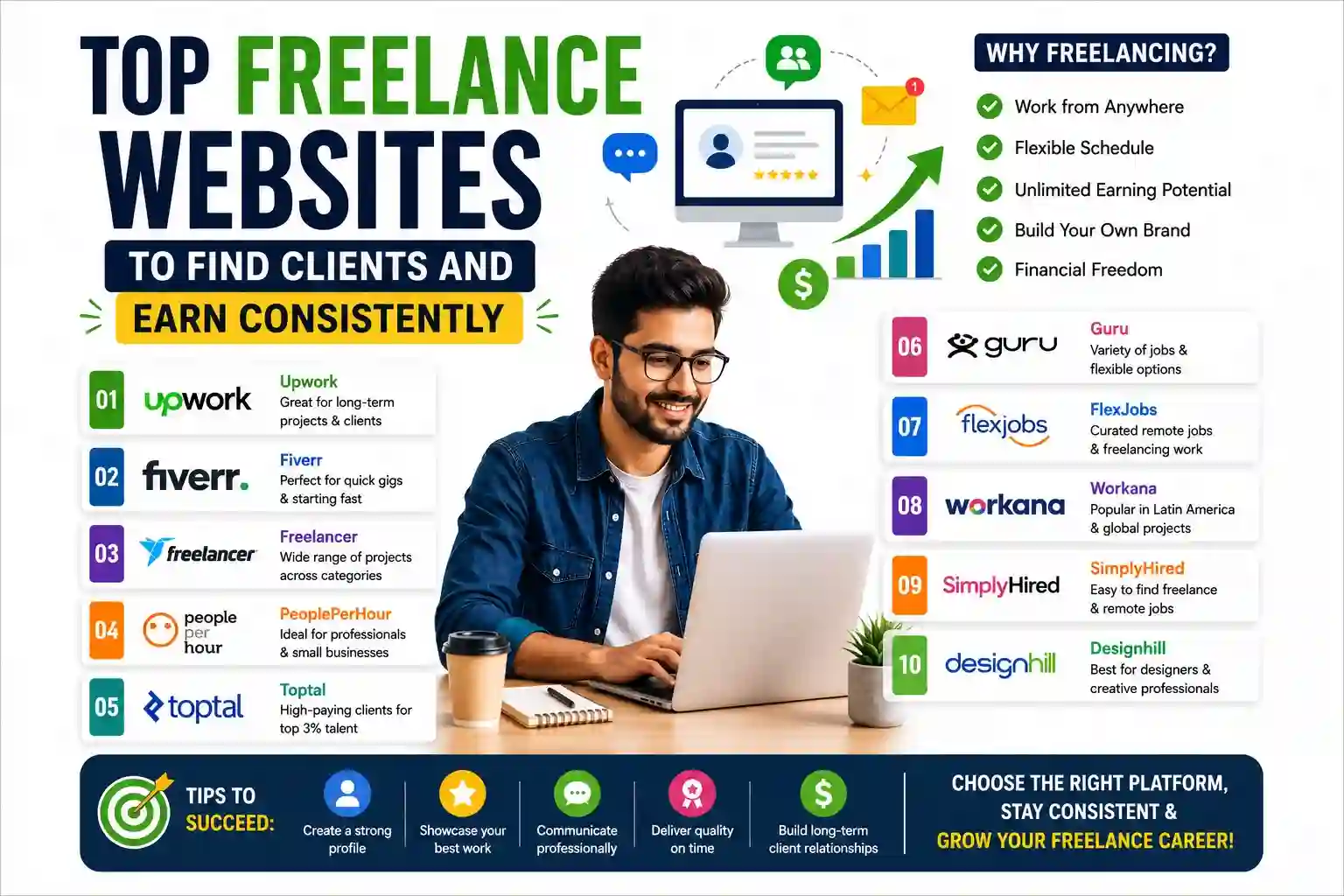
- Upwork suits experienced freelancers who can handle competitive bidding. Its project catalog feature lets you list fixed-price services so clients come to you directly — reducing cold outreach.
- Fiverr is ideal for packaging skills into defined service offerings. Sellers who optimize their gig titles, tags, and descriptions consistently rank in search and attract repeat buyers.
- Freelancer.com hosts contests alongside traditional job listings, giving newer freelancers a way to build portfolio work while competing for real prizes.
- PeoplePerHour caters strongly to European clients and works well for professionals offering hourly consulting in content, SEO, and business services.
- Guru features a workroom system that keeps project communication, milestones, and payments in one organized space — a feature long-term clients genuinely appreciate.
The key is mastering one platform before spreading thin across several. A strong profile with five solid reviews outperforms a weak presence on ten sites.
Specialized Platforms That Pay Premium Rates
Niche freelance websites attract clients who understand professional value and are willing to pay accordingly.
- Toptal accepts only the top 3% of applicants through a rigorous vetting process. Once in, developers, designers, and finance professionals access clients with significantly higher budgets than general platforms.
- 99designs focuses exclusively on graphic designers and runs a contest-plus-direct-hire model. Winning even one contest builds credibility fast.
- Codeable serves WordPress developers specifically. Projects are pre-screened and fairly priced, which means less race-to-the-bottom pricing compared to open marketplaces.
- Contently connects experienced writers and journalists with major brand clients. Approval depends on portfolio quality, so it rewards those who’ve built strong editorial credentials.
- SimplyHired and FlexJobs list both freelance and contract work, with FlexJobs manually vetting every listing to filter out scams — a real advantage for serious job seekers.
Specialization signals expertise. A platform built around your industry will position you as a professional rather than a commodity.
Platforms That Help You Build Long-Term Client Relationships
Finding a client once is good. Turning them into a recurring source of income is what builds a sustainable freelance business.
LinkedIn ProFinder connects you with local and remote clients seeking professionals across dozens of fields. Since your LinkedIn profile backs your credibility, clients often arrive pre-sold on your background.
Working Not Working targets creative professionals — art directors, copywriters, UX designers — and is invitation-based, which keeps quality high and client expectations realistic.
Contra is a commission-free platform gaining traction among independent professionals. Without platform fees eating into earnings, freelancers can price competitively while keeping more of what they earn.
Solidgigs curates job leads daily from across the web and delivers them to your inbox, so instead of hunting, you’re reviewing pre-filtered opportunities matched to your skills.
Retainer arrangements — where a client pays a fixed monthly fee for ongoing work — are easiest to establish on platforms that encourage messaging and relationship-building rather than one-off transactions.
Conclusion
The most effective freelancers don’t just sign up and hope — they treat their chosen platform like a business asset. A polished profile, consistent communication, and niche positioning compound over time into steady, well-paying client relationships. Start with one or two platforms aligned to your skill set, commit to them seriously, and scale as your reputation grows.
Frequently Asked Questions
Q1: Which freelance website is best for complete beginners?
Fiverr and Freelancer.com are the most beginner-friendly because they allow you to create a profile and start offering services without requiring a work history or formal vetting process.
Q2: How do I stand out on competitive freelance platforms like Upwork?
Specialize in a narrow niche, write a client-focused profile headline, and send proposals that address the client’s specific problem rather than listing your own skills. Relevance beats experience in most cases.
Q3: Are commission-free freelance platforms worth using?
Yes, platforms like Contra that charge no commission allow you to price more competitively or simply retain higher earnings — particularly valuable once you’re established and no longer relying on platform algorithms for discovery.
Q4: How many freelance platforms should I be active on at once?
Focus on two at most when starting out. Managing proposals, client communication, and project delivery across too many platforms simultaneously dilutes your effort and weakens your profile ratings on each.
Q5: Can I earn a full-time income through freelance websites?
Absolutely — many professionals earn well above traditional salaries freelancing. The key factors are skill demand, platform selection, consistent profile optimization, and transitioning at least some clients to retainer agreements for predictable monthly income.