

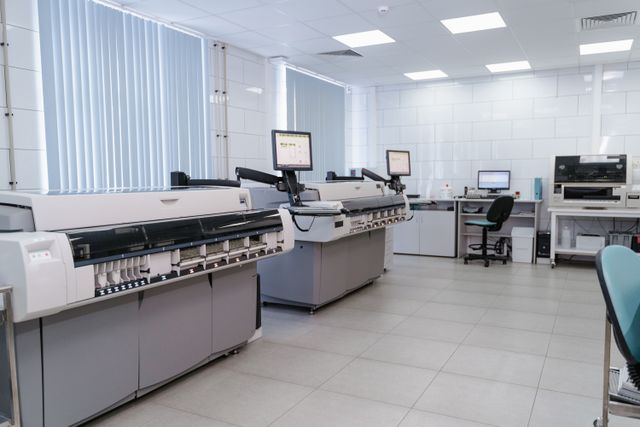
A patient visits a hospital for a consultation, undergoes laboratory tests and receives medicines from the pharmacy. However, when these activities are managed through separate registers or disconnected software, billing staff may not receive all the required information on time.
A laboratory test may be completed but not added to the patient’s invoice. Medicines issued by the pharmacy may be missing from the final bill, or staff may enter the same information more than once. These problems create additional work and can affect hospital collections.
For small and mid-sized hospitals in India, choosing the Best Hospital Billing Software is not only about generating invoices. It is also about improving coordination between departments so that patient services, pharmacy transactions and billing records remain consistent.
Connecting these departments through an organised workflow can help reduce manual errors, improve financial visibility and support smoother hospital operations.
1. Why Disconnected Hospital Departments Create Billing Errors
Pharmacy, laboratory and billing departments handle different activities, but their records are closely connected.
When these departments work independently, employees often need to share information through printed documents, phone calls, spreadsheets or manual entries. This increases the chances of delays and mistakes.
Repeated Data Entry
When patient details are entered separately in different departments, staff may accidentally enter incorrect information or create duplicate records.
Repeated data entry also consumes time that employees could spend on other operational activities.
Missing Service Charges
A patient may undergo several tests or receive medicines during treatment. If the relevant department does not communicate these activities to billing staff, some charges may be missed.
This can affect the accuracy of the final invoice and create revenue leakage.
Delayed Information Sharing
Billing staff may have to wait for confirmation from the laboratory or pharmacy before closing a patient account.
Such delays can make discharge billing more difficult, particularly when multiple departments are involved in treatment.
2. How the Best Hospital Billing Software Connects Different Departments
A connected billing workflow helps departments maintain consistent information and reduces the need for repeated manual communication.
The Best Hospital Billing Software should support the hospital’s operational requirements and help staff manage relevant billing information across departments.
Connecting Pharmacy Transactions with Billing
When medicines are issued to patients, the transaction needs to be properly recorded and reflected in the applicable patient account.
An organised workflow helps pharmacy and billing employees verify medicine quantities, applicable charges and returns.
Hospitals should also maintain accurate records of medicine stock and movement. Using pharmacy management software can help organise pharmacy-related activities and support better coordination with other hospital operations.
Connecting Laboratory Services with Billing
Laboratory departments handle test requests, sample collection, processing and reporting.
Billing staff need accurate information about the services that have been completed and are chargeable.
A clear process for sharing test details can help ensure that applicable laboratory charges are included in patient invoices.
It is also important to account for cancelled tests, repeated tests and other billing adjustments correctly.
Maintaining Consistent Patient Billing Records
When departments follow a common process for identifying patients and recording services, billing staff can review the relevant information more easily.
Hospitals should establish clear procedures for updating patient details, recording transactions and correcting errors.
This helps reduce confusion when patients receive services from multiple departments during the same visit or admission.
3. How Department Integration Improves Hospital Revenue Cycle Management
The hospital revenue cycle includes the financial activities involved in registering patients, recording services, generating bills, collecting payments and managing outstanding balances.
Coordination between pharmacy, laboratory and billing departments can improve several stages of this process.
More Complete Patient Invoices
When information about completed services and issued medicines reaches the billing team on time, staff can prepare more complete invoices.
This reduces the possibility of missing applicable charges.
Better Payment Tracking
Organised billing records help finance teams review payments, outstanding balances and adjustments.
They can also identify accounts that require further verification or payment follow-up.
Easier Identification of Billing Differences
When pharmacy and laboratory records can be checked against billing entries, administrators can identify differences more easily.
For example, a medicine issue recorded in pharmacy records but missing from the patient invoice can be flagged for review.
Better Support for NABH Billing Records
Hospitals preparing for accreditation or maintaining quality documentation should follow consistent recordkeeping practices.
Organised NABH billing records can support internal reviews by making relevant invoices, payment entries and transaction details easier to locate.
However, software alone does not guarantee NABH compliance. Hospitals must follow applicable accreditation requirements and maintain appropriate procedures, documentation and staff responsibilities.
4. Practical Example: Connecting Pharmacy, Lab and Billing
Illustrative example:
Consider a mid-sized hospital where a patient is admitted for treatment.
During the patient’s stay, the doctor requests laboratory tests, and the pharmacy issues prescribed medicines. The billing department separately maintains the patient’s invoice.
In a disconnected workflow, pharmacy staff may record medicines in their own register while laboratory employees maintain separate test records. Billing staff must collect this information before preparing the final invoice.
If one department forgets to communicate a completed transaction, the invoice may be incomplete.
Now consider an organised workflow where the hospital uses a connected process:
- Patient details are recorded and verified.
- Laboratory services are documented against the patient’s account.
- Medicines issued by the pharmacy are recorded.
- Billing staff review applicable service and medicine charges.
- Payment entries and adjustments are verified.
- The final invoice is checked before discharge.
This process makes it easier to identify missing entries and reduces dependence on repeated communication between departments.
Department Integration Checklist
| Department | Information to maintain | Billing benefit |
|---|---|---|
| Pharmacy | Medicines issued and returned | Helps verify medicine charges |
| Laboratory | Requested and completed tests | Helps identify missing test charges |
| Billing | Invoices and payment entries | Maintains organised patient accounts |
| Finance | Outstanding balances and adjustments | Supports financial review |
| Administration | Department records and procedures | Improves operational monitoring |
5. Important Factors to Consider Before Connecting Hospital Systems
Integration should be planned according to the hospital’s size, departments and existing processes.
Buying software without understanding how employees share information can create additional operational difficulties.
Check Data Accuracy
Before connecting systems, review existing patient records, medicine details, service names and billing categories.
Consistent information makes it easier for departments to identify the correct patient and transaction.
Define Department Responsibilities
Every department should understand which information it needs to enter, verify and communicate.
For example, pharmacy employees should be responsible for maintaining accurate medicine issue records, while billing staff should verify applicable charges before finalising invoices.
Review Access and Data Security
Not every employee needs access to all hospital records.
Administrators should review user permissions, password controls, backup arrangements and data protection practices before implementing connected workflows.
Consider Insurance and Corporate Hospital Billing
Hospitals handling insurance claims and corporate hospital billing may need additional verification processes.
Patient details, service records, applicable package terms and supporting documents should be reviewed before submitting claims or preparing final invoices.
Hospitals should also understand how their billing processes support relevant digital health initiatives and information exchange requirements. The health claims data exchange is a useful reference when learning about structured health claims exchange in India.
6. Common Mistakes Hospitals Should Avoid During Integration
Even after selecting suitable software, poor implementation practices can reduce its usefulness.
Hospital administrators should avoid these common mistakes:
- Entering patient information differently across departments.
- Allowing pharmacy transactions to remain unverified.
- Closing patient accounts before checking completed laboratory services.
- Ignoring cancelled tests and returned medicines.
- Giving unnecessary system access to employees.
- Skipping staff training and workflow demonstrations.
- Failing to review billing differences regularly.
- Depending entirely on software without internal verification.
Regular departmental reviews can help hospitals identify recurring problems and improve their billing processes.
Frequently Asked Questions
1. Why should hospitals connect pharmacy, laboratory and billing departments?
Connecting these departments helps maintain consistent transaction records, reduce repeated data entry and identify missing service charges. It also improves coordination during patient billing and discharge.
2. How does hospital billing software reduce manual errors?
Hospital billing software can organise patient invoices, payment entries and relevant service information. When supported by suitable departmental workflows, it can reduce repetitive manual work and help staff identify billing differences.
3. What is the role of hospital revenue cycle management?
Hospital revenue cycle management covers financial activities from patient registration and service recording to invoice generation, payment collection and outstanding balance management. Proper coordination helps hospitals maintain accurate financial records.
4. Does connected billing software guarantee NABH compliance?
No. Software can support organised documentation and recordkeeping, but NABH compliance also depends on hospital policies, staff responsibilities, operational procedures and applicable accreditation standards.
Conclusion
Disconnected pharmacy, laboratory and billing departments can create unnecessary manual work, missing charges and inconsistent patient records. A structured approach to department coordination helps hospitals reduce these problems and improve financial management.
The Best Hospital Billing Software should support accurate billing records, organised payment tracking and better information sharing according to the hospital’s operational requirements.
For small and mid-sized hospitals in India, the goal should be to connect important departmental workflows, train employees and review records regularly. These steps can help create a more reliable billing process and support better hospital revenue cycle management.