

Choosing the right venue is one of the first major decisions when organising an event. The space influences the seating arrangement, guest experience, stage setup, technical production, catering requirements and overall event budget.
In Karachi, organisers can consider different types of indoor venues, including auditoriums, banquet halls, cultural institutions, educational facilities and private event spaces. Two commonly considered options are auditoriums and banquet halls. Although both can accommodate gatherings, they are designed around different event requirements.
An auditorium is generally considered for programmes that focus on presentations, performances, speeches and audience participation. A banquet hall is often considered for social gatherings, dinners, receptions and events that require dining arrangements or flexible table layouts. However, the actual suitability depends on the facilities, layout and policies of each individual venue.
Before booking an auditorium in Karachi or reserving a banquet hall, organisers should understand the differences and assess which space best supports their programme.
This guide compares both venue types and explains how to make a practical decision for corporate, cultural, educational and social events.
1. Understand the Difference Between an Auditorium and a Banquet Hall
The most important difference is how each space supports the event.
An auditorium is commonly arranged around a stage or presentation area, with seating positioned to help the audience watch and listen. It can be suitable for conferences, seminars, theatre productions, musical programmes, award ceremonies and public discussions.
A banquet hall is generally considered for events that involve dining, social interaction, guest tables and flexible seating arrangements. It may be suitable for weddings, receptions, formal dinners, celebrations and certain corporate gatherings.
However, these are general distinctions rather than fixed rules. Some banquet halls have presentation facilities, while certain auditoriums may permit selected hospitality arrangements.
The decision should therefore be based on the actual facilities and permitted uses of the venue.
2. Choose the Venue According to Your Event Type
Start by identifying the main purpose of the programme.
Events better suited to an auditorium
An auditorium may be a practical option for events where the audience needs to focus on a stage, speaker or performance.
Examples include:
- Business conferences
- Corporate seminars
- Educational presentations
- Theatre productions
- Musical performances
- Literary sessions
- Public discussions
- Award ceremonies
- Institutional programmes
- Cultural gatherings
These events often require a defined presentation area, suitable audience visibility, microphones, sound equipment and controlled stage arrangements.
Events better suited to a banquet hall
A banquet hall may be more suitable when the programme involves dining, social interaction or table-based guest arrangements.
Examples include:
- Wedding receptions
- Formal dinners
- Family celebrations
- Engagement events
- Corporate dinners
- Networking receptions
- Social gatherings
- Private celebrations
These programmes may require dining tables, guest seating, catering service areas and decorative arrangements.
Some events combine both formats. For example, a corporate awards ceremony may include a formal stage programme followed by dinner. In such cases, organisers should assess whether one venue can accommodate both activities or whether separate spaces are necessary.
3. Compare Seating Arrangements and Guest Capacity
Seating is one of the most important differences between the two venue types.
Auditoriums commonly use seating arrangements that direct attention towards a stage or presentation area. Banquet halls may offer more flexibility with round tables, rectangular tables, open seating or a combination of arrangements.
The right layout depends on the event format.
| Requirement | Auditorium | Banquet hall |
|---|---|---|
| Theatre-style seating | Common option | Depends on layout |
| Round dining tables | May be restricted | Common option |
| Stage-focused programme | Often suitable | Depends on facilities |
| Formal dining | Depends on venue policy | Often suitable |
| Panel discussions | Often suitable | Possible with setup |
| Networking | Depends on available space | Often adaptable |
| Wedding reception | Depends on permissions | Common option |
Advertised capacity should always be checked against the actual event layout.
A venue’s maximum capacity may change when organisers introduce a stage, registration desk, dining tables, technical equipment or reserved guest sections.
Ask for an approved seating plan and confirm the usable capacity with venue management before accepting registrations or sending invitations.
4. Evaluate Stage and Presentation Requirements
If an event involves speakers, performers or formal presentations, the stage should be considered carefully.
An auditorium may already have a defined stage area, but organisers still need to confirm its dimensions, equipment and operating arrangements.
Check:
- Stage width and depth
- Audience visibility
- Podium availability
- Speaker or performer access
- Backstage arrangements
- Stage lighting
- Screen or projection facilities
- Microphone availability
- Technical operator arrangements
A banquet hall may also accommodate a temporary stage or presentation platform. However, the installation may require additional equipment, space and venue approval.
For a conference, the stage may need to accommodate several speakers and a presentation screen. For an awards ceremony, it may require a suitable arrangement for presenters and recipients.
For a wedding or formal dinner, the stage may instead be designed around the couple, hosts or ceremonial programme.
The venue should be inspected with the intended stage arrangement in mind rather than relying only on photographs.
5. Consider Sound, Lighting and Audiovisual Facilities
Technical requirements can significantly influence the venue decision.
An auditorium-based programme often depends on clear sound, suitable microphone coverage and presentation visibility. A banquet hall may require a different setup depending on whether the event includes speeches, music, entertainment or a stage programme.
Before booking, ask about:
Sound system: Confirm available microphones, speakers, audio connections and sound coverage.
Lighting: Review general lighting, stage illumination and any permitted adjustments.
Presentation equipment: Check screens, projectors, display connections and playback facilities.
Technical support: Confirm whether the venue provides an operator or allows an external production team.
Power requirements: Discuss the equipment load and approved electrical arrangements with venue management.
Do not assume that every auditorium includes all technical facilities or that every banquet hall has equipment suitable for a professional presentation.
The event’s technical brief should be shared with the venue before the booking is finalised.
6. Compare Catering and Hospitality Arrangements
Catering can be a deciding factor when choosing between an auditorium and a banquet hall.
For a conference, organisers may only need refreshments during scheduled breaks. A wedding reception or corporate dinner may require a complete dining arrangement with guest tables and service coordination.
A banquet hall may offer a layout that is easier to organise around dining, but the actual catering arrangements depend on the venue’s facilities and policies.
For an auditorium, organisers should confirm whether food and beverages are permitted, where refreshments can be served and whether separate hospitality areas are available.
Important questions include:
- Is in-house catering available?
- Are external caterers permitted?
- Can food be served inside the main space?
- Is there a separate dining or refreshment area?
- Are service tables and staff included?
- What are the setup and cleaning requirements?
- Are there restrictions on food and beverages?
Confirm these details before selecting the venue. Catering arrangements should fit the programme without interfering with the main event.
7. Assess Décor, Branding and Event Production
The visual setup should reflect the purpose and identity of the event.
Auditorium programmes may require a stage backdrop, speaker name displays, institutional branding, sponsor logos or presentation graphics.
Banquet events may require table décor, floral arrangements, entrance displays, lighting elements and decorative stage installations.
Both venue types may have restrictions on decorations and external suppliers.
Before planning the visual setup, confirm:
- Approved backdrop dimensions
- Branding and signage permissions
- Restrictions on fixing materials
- Electrical installation requirements
- External decorator permissions
- Loading and unloading access
- Photography and filming policies
- Setup and removal timings
For corporate events, visual branding should be clear and consistent across the stage, reception area and presentation material.
For social events, décor should complement the seating arrangement and guest movement.
All installations should follow the venue’s approved conditions and safety requirements.
8. Review Location, Accessibility and Parking
A venue’s location can affect attendance and the overall guest experience.
Karachi’s traffic conditions make it important to consider travel time, accessibility and arrival arrangements when comparing event locations.
Evaluate:
- Access from major roads
- Convenience for the expected audience
- Parking arrangements
- Drop-off and pick-up areas
- Public transport accessibility
- Entrance identification
- Accessibility for guests requiring assistance
- Directional signage
For corporate events, a centrally accessible location may be helpful for participants travelling from different business areas.
For family and social events, parking and guest drop-off arrangements may be especially important.
Do not assume that parking, accessibility facilities or transport arrangements are included. Confirm what is actually available with venue management and communicate accurate information to guests.
9. Compare Rental Costs and Overall Event Budgets
The cheapest venue is not necessarily the most economical option.
An auditorium may have a rental structure based on the booking duration, technical facilities and event requirements. A banquet hall may have a different pricing structure depending on the space, dining arrangements and included services.
Request a complete quotation from each shortlisted venue.
Compare the following expenses:
- Basic venue rental
- Booking duration
- Setup and dismantling time
- Additional-hour charges
- Sound and lighting
- Stage arrangements
- Equipment rental
- Catering
- Décor and branding
- Staffing and security
- Cleaning charges
- Deposits and payment terms
- Cancellation conditions
Also consider costs that may not appear in the venue quotation, such as photography, printing, transportation, registration systems and event coordination.
Create a complete event budget before making a decision.
The comparison should focus on the total cost of delivering the intended programme, not just the initial venue rental.
10. Which Venue Is Better for Corporate Events?
Corporate events can take different forms, so the choice depends on the programme.
An auditorium may be suitable for:
- Corporate conferences
- Annual meetings
- Product presentations
- Leadership sessions
- Employee award ceremonies
- Training seminars
- Panel discussions
A banquet hall may be considered for:
- Corporate dinners
- Networking receptions
- Company celebrations
- Employee gatherings
- Business hospitality events
- Formal social functions
Some corporate programmes combine presentations with dining or networking. Organisers should check whether the venue can accommodate the complete schedule and whether separate spaces or layout changes are possible.
The best choice is the venue that supports the company’s objectives, audience size and planned activities.
11. Which Venue Is Better for Cultural and Public Events?
Cultural programmes often place greater emphasis on the stage, audience visibility, sound and performance requirements.
An auditorium may be suitable for theatre, literary events, musical programmes, public discussions and educational gatherings.
Banquet halls may be considered for cultural celebrations, formal receptions and social programmes that require dining or more flexible guest arrangements.
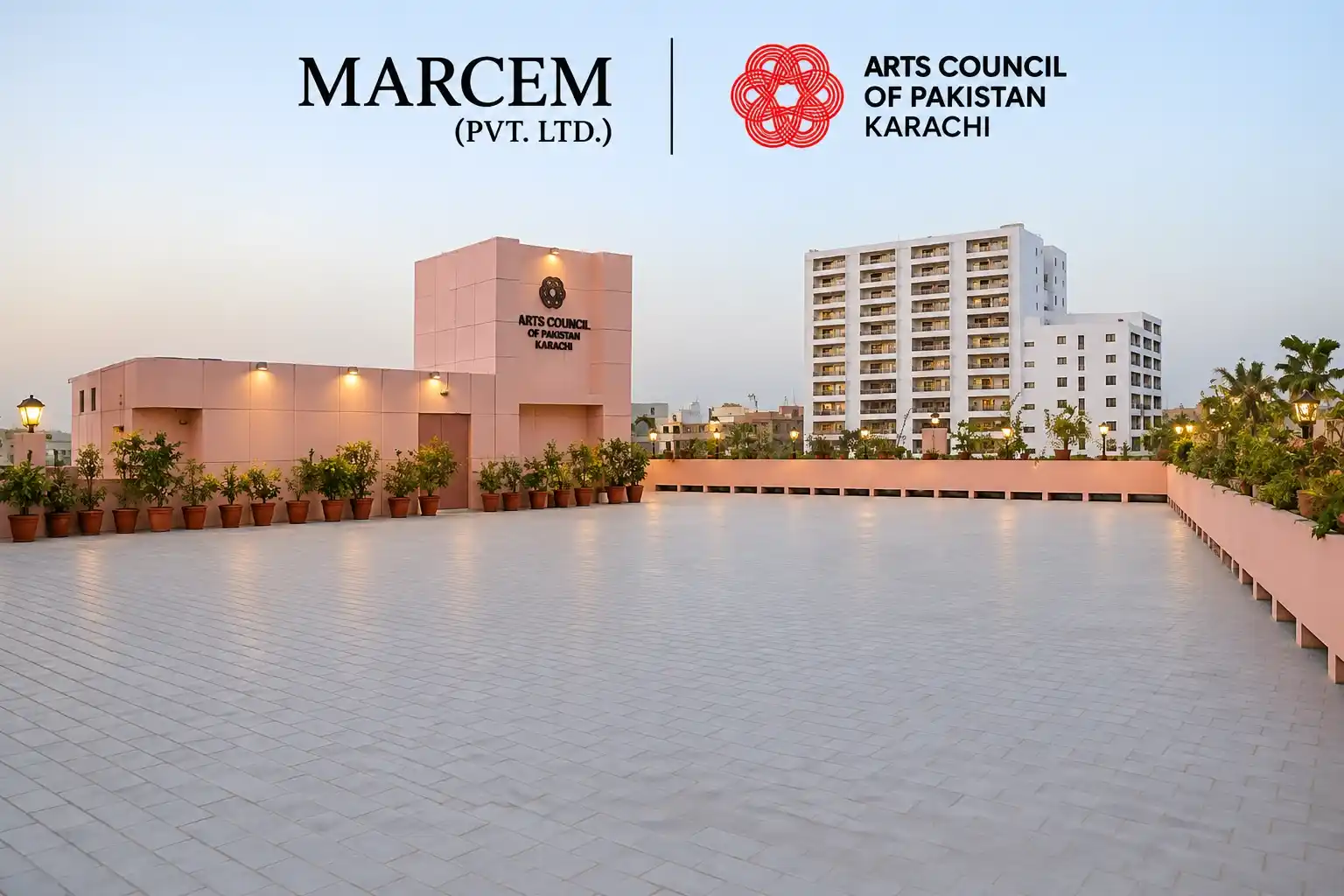
Organisers comparing cultural spaces in Karachi can explore information about the Arts Council of Pakistan Karachi through the arts council venue guide.
Before selecting any cultural venue, confirm its available spaces, programme permissions, technical facilities and booking requirements directly with its management.
The event’s format should guide the choice rather than the venue category alone.
12. Questions to Ask Before Booking Either Venue
Before confirming an auditorium or banquet hall, prepare a list of questions for the venue representative.
Availability and booking
- Is the required date available?
- What is the minimum booking duration?
- How much time is available for setup?
- What are the payment and cancellation conditions?
Facilities
- What seating arrangements are available?
- Is a stage included?
- Are sound and lighting facilities available?
- Are presentation screens provided?
- Are guest facilities accessible?
Operations
- Are external suppliers permitted?
- Is catering included or optional?
- Are decoration and branding allowed?
- What are the loading and unloading procedures?
- Who will coordinate with the organiser on event day?
Costs
- What is included in the rental?
- Are technical facilities charged separately?
- Are there additional staffing or cleaning charges?
- What happens if the event runs beyond the booked time?
Request written confirmation of the important details before making the final payment.
13. Prepare for the Event After Selecting the Venue
Once the venue has been confirmed, the next stage is planning the actual event.
The organiser should develop a schedule that covers the complete venue-use period, including setup, technical checks, guest arrival, programme activities and dismantling.
The preparation process may include:
- Finalising the event brief and programme.
- Confirming the approved seating layout.
- Coordinating suppliers and technical teams.
- Preparing stage and branding requirements.
- Organising guest registration.
- Confirming catering and hospitality.
- Scheduling rehearsals and sound checks.
- Briefing the event staff.
- Confirming venue access and handover.
- Reviewing the event plan with venue management.
Each responsibility should be assigned to a specific team member or supplier.
A clear schedule helps ensure that technical, hospitality and guest-management activities are coordinated rather than handled independently.
14. How Event Management Helps Coordinate Venue Requirements
Selecting an appropriate space is only one part of event organisation. The next challenge is coordinating the arrangements required to make the venue work for the programme.
MARCEM Events provides event planning and coordination services for corporate, cultural and social events across Pakistan.
Depending on the agreed scope, support can include:
- Venue coordination
- Event planning and scheduling
- Stage and production arrangements
- Audiovisual coordination
- Décor and branding
- Catering coordination
- Guest reception and management
- Supplier coordination
- On-site event execution
The planning process begins with understanding the event’s objectives, audience and venue requirements. Arrangements are then coordinated around the facilities, permissions and conditions confirmed by the selected venue.
This approach helps connect venue selection with the practical requirements of event preparation and execution.
Final Checklist: Auditorium or Banquet Hall?
Use this checklist before making your decision:
- Define the event’s main purpose.
- Estimate the number of attendees.
- Identify stage and presentation requirements.
- Decide whether dining is required.
- Compare approved seating layouts.
- Review sound and lighting facilities.
- Check guest accessibility and parking.
- Confirm catering and decoration policies.
- Obtain complete rental quotations.
- Review booking and cancellation conditions.
- Inspect the shortlisted venue.
- Obtain written booking confirmation.
- Prepare an event-day coordination schedule.
Conclusion
Choosing between an auditorium and a banquet hall in Karachi depends on the nature of the event, the expected audience and the facilities required.
Auditoriums are often considered for conferences, presentations, theatre productions and cultural programmes where the stage and audience experience are central. Banquet halls may be more appropriate for dinners, receptions and social events that require dining arrangements and flexible seating.
However, neither option should be selected based on its category alone. Organisers should compare actual facilities, seating layouts, technical capabilities, booking conditions and overall costs.
By preparing a clear event brief and inspecting shortlisted venues, organisers can make a more informed decision and select a space that supports the intended programme.