
Installing a CCTV system is an important step towards improving security in homes, offices, retail stores and commercial properties. However, the CCTV installation cost in Dubai can vary depending on the property’s size, number of cameras, equipment specifications and installation requirements. Understanding these factors helps property owners plan their budgets and select a surveillance solution that meets their needs.
There is no single price that applies to every CCTV project. A small shop may require only a few cameras, while a warehouse or large commercial building may need a more extensive surveillance network. The best approach is to assess the property and identify the required coverage before requesting a quotation.
What Determines CCTV Installation Cost in Dubai?
Several technical and site-related factors influence the overall cost of a CCTV project. Understanding them can help customers compare quotations more effectively.
1. Number of CCTV Cameras
The number of cameras is one of the main factors affecting project cost. A property with multiple entrances, corridors, parking areas and storage spaces may require more cameras than a small office.
However, installing more cameras does not automatically guarantee better surveillance. Camera positions should be planned to cover important areas while reducing unnecessary overlap and blind spots.
2. Type and Quality of Cameras
CCTV cameras are available in different designs and specifications. The selected model can influence the equipment budget.
Common options include:
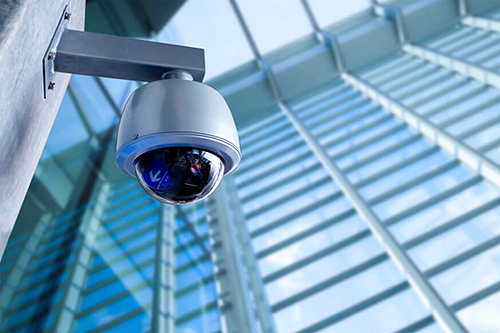
- Dome cameras: Often used for indoor areas such as offices, reception spaces and corridors.
- Bullet cameras: Commonly selected for outdoor monitoring and building perimeters.
- IP cameras: Provide network-based digital video and may support advanced monitoring features.
- PTZ cameras: Allow remote adjustment of camera direction and zoom for monitoring larger areas.
Resolution, night vision, weather protection, viewing angle and intelligent features can also affect equipment pricing.
3. Recording and Storage Requirements
CCTV systems need suitable recording equipment and storage capacity. Depending on the system design, this may include a Network Video Recorder (NVR) or Digital Video Recorder (DVR).
Storage requirements depend on several factors, including:
- Number of connected cameras.
- Video resolution and recording quality.
- Continuous or motion-based recording.
- Required footage retention period.
- Available compression and storage technology.
A system that needs longer recording retention may require additional storage capacity, which can increase the project budget.
4. Cabling and Network Infrastructure
Cabling requirements can vary according to the property layout and camera technology. IP CCTV installations commonly use network cabling, while other camera systems may require different transmission arrangements.
Long cable routes, multiple floors, difficult ceiling access and additional network equipment can increase installation work. Existing infrastructure may reduce some requirements if it is suitable for the proposed system.
Proper cable routing and labelling should be included in the installation plan to support future maintenance.
5. Property Size and Installation Complexity
The physical layout of a property can have a major impact on installation costs. A small office with accessible ceiling spaces may require less installation work than a multi-storey building or industrial facility.
Factors that can affect labour and installation requirements include building height, cable distance, access restrictions, wall construction and the need for additional mounting accessories.
A site inspection helps identify these requirements before the final quotation is prepared.
Additional Features That May Affect the Budget
Some CCTV projects require features beyond standard video recording. These options can add to the overall cost depending on the equipment and configuration.
Remote Monitoring
Remote monitoring allows authorized users to view live camera feeds through compatible mobile devices or computers. It may require network configuration, secure remote access settings and compatible software.
Night Vision
Infrared and low-light cameras are useful for areas where lighting is limited. The required night-time viewing distance and image quality should be considered when selecting equipment.
Motion Detection and Video Analytics
Some cameras can identify motion or support analytics features. Depending on the model, these capabilities may help users monitor specific activities and manage video more efficiently.
Integration with Other Security Systems
A CCTV system may be integrated with compatible access control, alarm or monitoring solutions. Integration requirements should be discussed during the design stage because they can affect equipment selection and configuration.
SIRA Requirements and CCTV Project Planning
CCTV installations in Dubai may need to meet applicable Security Industry Regulatory Agency (SIRA) requirements, depending on the property category and project scope.
The required equipment, camera coverage, technical specifications and approval procedures should be checked before installation. These requirements may influence the system design and the selection of suitable equipment.
Property owners should confirm the relevant requirements for their premises and work with a provider that understands the applicable procedures. Planning for compliance from the beginning can help avoid unnecessary changes later.
How to Compare CCTV Installation Quotations
When comparing quotations, it is important to look beyond the final price. Two proposals may have different equipment specifications, storage arrangements and installation scopes.
Before selecting a provider, check whether the quotation clearly explains:
- Number and type of cameras included.
- Camera resolution and important technical specifications.
- Recording equipment and storage capacity.
- Cabling and installation work.
- Network configuration and remote viewing arrangements.
- Testing and commissioning.
- Warranty and maintenance terms.
- Any applicable compliance-related requirements.
A detailed quotation makes it easier to understand what is included and identify possible additional expenses.
Businesses researching professional CCTV installation services in Dubai can review available surveillance solutions and discuss project requirements before making a decision.
Ways to Plan Your CCTV Budget Effectively
A clear project plan can help property owners manage costs without overlooking important security requirements.
Identify priority areas: Start with entrances, exits, reception areas, parking spaces and other locations that need monitoring.
Choose suitable equipment: Select cameras based on the actual lighting, viewing distance and environmental conditions rather than choosing features that are not required.
Plan for future expansion: If additional cameras may be needed later, consider suitable recording capacity and network infrastructure from the beginning.
Review the complete quotation: Check equipment specifications, installation work, storage and maintenance terms before approving a proposal.
Consider ongoing costs: Include potential maintenance, replacement equipment and storage upgrades when planning the long-term budget.
Why Professional Installation Matters
Correct installation helps ensure that cameras provide useful coverage and that recording equipment works as intended. Poor camera positioning, loose connections, unsuitable cabling and incorrect configuration can affect system performance.
Professional installation generally includes site assessment, camera placement planning, equipment configuration, cable management and system testing. The installer should also explain how to access recordings and operate the system.
Regular maintenance can help identify camera, storage and connectivity issues before they affect important surveillance areas.
Conclusion
The cost of a CCTV project in Dubai depends on several factors, including camera quantity, equipment specifications, recording storage, cabling, property layout and installation complexity. Additional features and applicable compliance requirements may also influence the final budget.
Rather than selecting a system based only on its initial price, property owners should compare the complete installation scope and technical specifications. A properly planned CCTV solution can provide useful surveillance coverage while supporting the property’s long-term security requirements.