

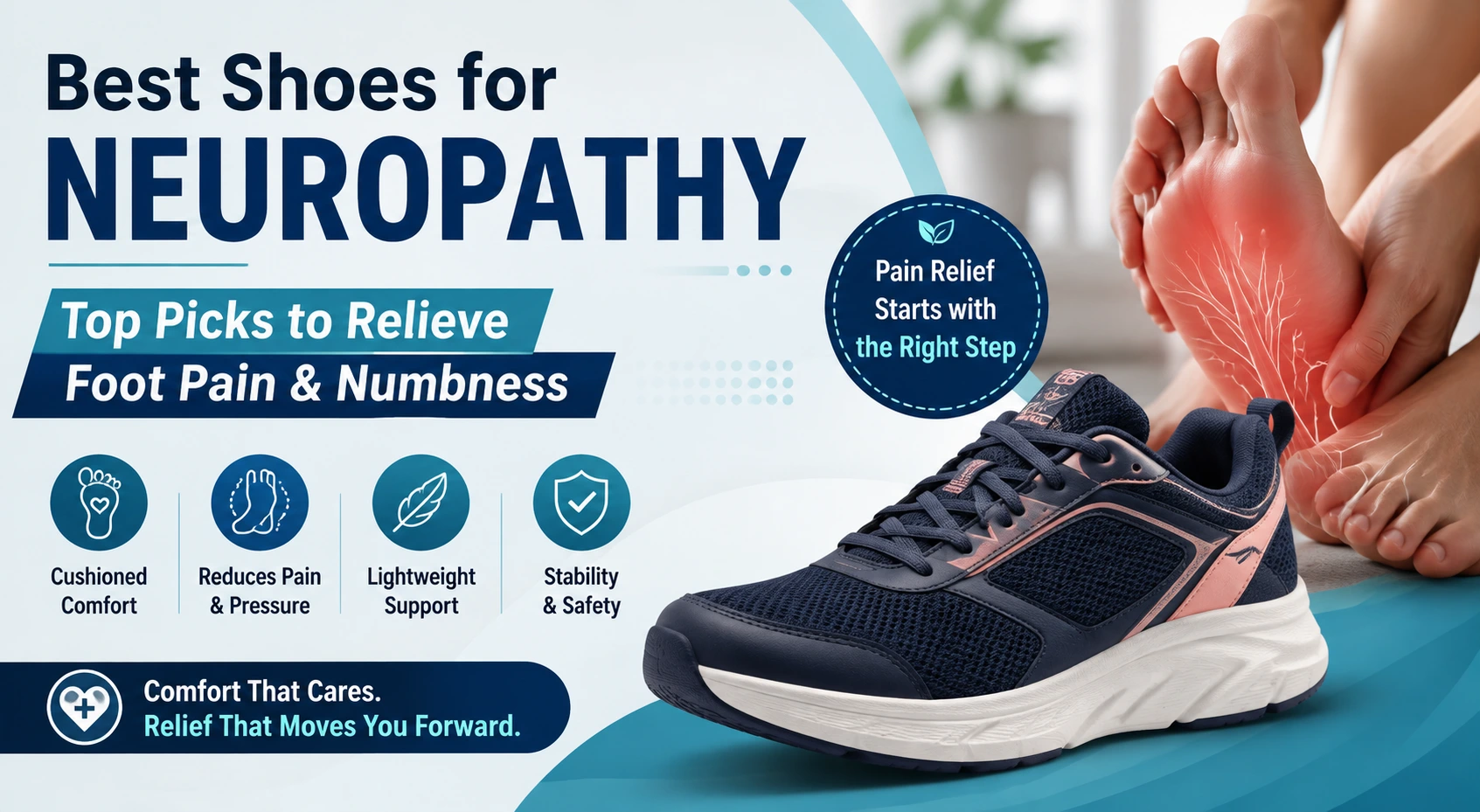
If your feet feel like they’re wrapped in cotton wool, or they burn and tingle by 3 p.m. no matter what you’re wearing, you already know that regular shoes just don’t cut it. Neuropathy changes the way your feet experience the world — and the wrong pair of shoes can turn a short walk into a genuinely miserable experience.
The short answer: the best shoes for neuropathy have a wide, deep toe box, seamless interiors, extra cushioning, arch support, and a roomy fit that doesn’t press on sensitive nerves. Brands like Orthofeet, New Balance, Skechers (their wide-width lines), Dansko, and Brooks show up again and again in podiatrist recommendations because they build these features in as standard, not as an afterthought.
That’s the quick version. But if you’ve ever bought a pair of “diabetic shoes” online only to find they rubbed your heel raw or felt like bricks, you know the details matter a lot more than the marketing copy suggests. Let’s get into it.
Why Regular Shoes Make Neuropathy Worse
Here’s the thing most shoe brands don’t tell you: a normal sneaker is designed assuming you can feel when something’s wrong. A seam digging into your toe. A hot spot forming on your heel. Most people notice and adjust before it becomes a blister or a wound.
With neuropathy, that early warning system is muted or gone entirely. You might walk around all day with a shoe that’s slowly damaging your skin and not know it until you take your socks off. That’s not a small thing — for people with diabetic neuropathy especially, an unnoticed blister can turn into a serious wound faster than you’d expect. This is exactly why podiatrists push so hard on proper footwear rather than treating it as a comfort issue.
So when we talk about “the best shoes for neuropathy,” we’re not just talking comfort. We’re talking about a shoe that protects you from problems you may not be able to feel coming.
What to Actually Look For (Before You Look at Brands)
Skip the marketing terms for a second. Here’s what matters on the shoe itself:
- A toe box with real room. Not just “roomier than average” — you want your toes to wiggle freely without touching the front or sides.
- Seamless or minimal-seam interior. Internal seams are a common cause of pressure points and rubbing.
- Removable insoles. This matters more than people realize, because it means you can swap in a custom orthotic if your podiatrist prescribes one.
- A stiffer, supportive sole with some cushioning — not so soft that your foot rolls, not so hard that every step jars your joints.
- Adjustable closures. Velcro or laces that let you fine-tune fit, since foot swelling can vary day to day.
- Non-slip outsoles. Balance issues are common with neuropathy, so grip isn’t optional.
If a shoe checks most of these boxes, it’s a reasonable candidate — regardless of whether it’s marketed specifically as a “neuropathy shoe.”
Best Shoes for Neuropathy: Top Picks
1. Orthofeet Coral Stretch Knit (Women’s) / Orthofeet Verona (Men’s)
Orthofeet has more or less built its whole brand around this exact problem, and it shows. The stretch-knit uppers move with foot swelling instead of fighting it, the soles have a slight rocker shape that reduces pressure on the ball of the foot, and the insoles are removable and orthotic-friendly. Not the most stylish shoe on this list, but arguably the most purpose-built.
2. New Balance 928v3 (Men’s & Women’s)
This is the shoe a lot of podiatry clinics quietly recommend because it comes in multiple widths — up to 4E for men — and has a firm, motion-control sole that helps with the balance issues neuropathy often brings. It looks like a normal walking shoe, which some people genuinely care about.
3. Skechers Go Walk Arch Fit (Wide Width)
Budget-friendlier than most on this list, and surprisingly good for it. The arch support is built into the midsole rather than relying on a separate insert, and the mesh upper is soft enough that seams aren’t much of an issue. Good pick if you want something lightweight for everyday errands rather than long walks.
4. Dansko Professional Clog
An unusual entry, but if you’re on your feet all day — nursing, retail, kitchen work — this clog has a loyal following among people with foot nerve issues. The rocker sole reduces the need to bend the foot much, and the roomy toe box handles mild swelling well. Not for long-distance walking, but excellent for standing.
5. Brooks Addiction Walker
Brooks makes this specifically as a stability walking shoe, and it holds up. Firm heel support, wide availability in extra-wide sizes, and enough cushioning to soften impact without feeling unstable. A solid pick if you’re looking specifically for the best walking shoes for neuropathy rather than an all-day casual shoe.
6. Propet TravelWalker II
Lighter than it looks, with a wide opening that makes it easy to get on if bending down is a struggle. Popular with older adults managing both neuropathy and general mobility issues.
Best Shoes for Neuropathy in Feet: Women vs. Men — Does It Matter?
Functionally, no — the same design principles apply whether you’re shopping in the women’s or men’s section. The real difference tends to be sizing and width availability. Women’s neuropathy shoes generally run in narrower base widths even within “wide” options, so if you have significant swelling, it’s worth trying a men’s model in a smaller size for extra room. It’s not glamorous advice, but more than a few podiatrists suggest it, and it works.
A Quick Word on Diabetic Shoes vs. “Neuropathy Shoes”
You’ll see both terms used almost interchangeably, and honestly, the overlap is huge. “Diabetic shoes” is a more specific category — in the U.S., some are even covered under Medicare with a prescription, because diabetic neuropathy carries a higher risk of foot ulcers. If you have diabetes-related neuropathy, it’s worth asking your doctor whether you qualify, since a properly fitted, prescribed pair can cost you very little out of pocket.
If your neuropathy isn’t diabetes-related, you don’t need to limit yourself to shoes labeled “diabetic” — just apply the same checklist from earlier.
What These Shoes Won’t Do
I’ll be straight with you: no shoe cures neuropathy or reverses nerve damage. What a good pair does is reduce the risk of injury you can’t feel happening, improve your balance, and take pressure off sore spots so walking is less exhausting. If your symptoms are getting worse, changing rapidly, or you’re noticing wounds that aren’t healing, that’s a conversation for your doctor or a podiatrist — not something a shoe, however well designed, is going to fix on its own.
Also worth knowing: fit matters more than brand. A well-known “neuropathy shoe” that doesn’t fit your specific foot shape will cause the exact problems it’s supposed to prevent. If you can, get measured in person — feet swell and change shape over time, and the size you wore five years ago may not be accurate anymore.
Bottom Line
The best shoes for neuropathy aren’t necessarily the most expensive or the most heavily marketed — they’re the ones that fit your foot’s actual shape, give your toes room, skip the internal seams, and grip the ground properly. Start with the checklist, try a couple of pairs from this list, and don’t be afraid to size up or go wide even if that’s not your “normal” size. Your feet will tell you — or in this case, since they might not, your skin will.
FAQs
1. What are the best shoes for neuropathy?
Shoes with a wide, deep toe box, seamless interiors, firm arch support, and removable insoles — brands like Orthofeet, New Balance, and Brooks are commonly recommended.
2. What are the best shoes for foot neuropathy specifically in the toes?
Look for an extra-deep toe box and soft, seamless uppers like Orthofeet’s stretch-knit styles, since toe-area numbness is especially prone to unnoticed rubbing.
3. What are the best shoes for men with neuropathy?
The New Balance 928v3 and Brooks Addiction Walker are popular choices, largely because they come in extended widths without sacrificing structure.
4. Do diabetic shoes and neuropathy shoes mean the same thing?
Mostly overlapping, but “diabetic shoes” is a specific, sometimes insurance-covered category aimed at people with diabetes-related nerve damage and ulcer risk.
5. Can the right shoes actually help neuropathy pain?
They can reduce pressure points, improve balance, and prevent injuries you might not feel happening — but they don’t treat the underlying nerve damage itself.
6. What’s the best walking shoe for neuropathy?
The Brooks Addiction Walker and New Balance 928v3 are frequently recommended for longer walks due to their stability and cushioning balance.
7. Are wide shoes always better for neuropathy?
Usually yes, since swelling is common, but “wide” should mean wide through the whole foot, not just the toe box — an overly loose heel can cause its own problems.
8. How do I know my shoe size if I can’t feel my feet well?
Get professionally measured rather than relying on memory or an old size, and try shoes on later in the day when feet are naturally more swollen.
9. Are Skechers good for neuropathy?
Their Arch Fit and wide-width lines are a reasonable budget option, especially for lighter daily wear rather than long-distance walking.
10. What shoes should I avoid if I have neuropathy?
Anything with hard internal seams, narrow toe boxes, high heels, flip-flops, or minimal cushioning — these all raise the risk of pressure points and falls.
11. Do I need a prescription for diabetic neuropathy shoes?
In many cases, yes, if you want them covered by insurance or Medicare — ask your doctor or podiatrist about eligibility.
12. What are the best shoes for neuropathy women can wear to work?
The Dansko Professional Clog is a common pick for jobs that involve standing all day, thanks to its rocker sole and roomy fit.
13. How often should I replace neuropathy shoes?
Every 6–12 months with regular wear, or sooner if the cushioning feels flattened, since worn-out support increases pressure-point risk.
14. Can custom orthotics be used with these shoes?
Yes — most shoes on this list have removable insoles specifically so a custom orthotic can be swapped in.
15. Should I see a doctor before buying neuropathy shoes?
If you have diabetes or notice sores, color changes, or worsening numbness, yes — a podiatrist can guide fit and flag issues a shoe alone can’t fix.